
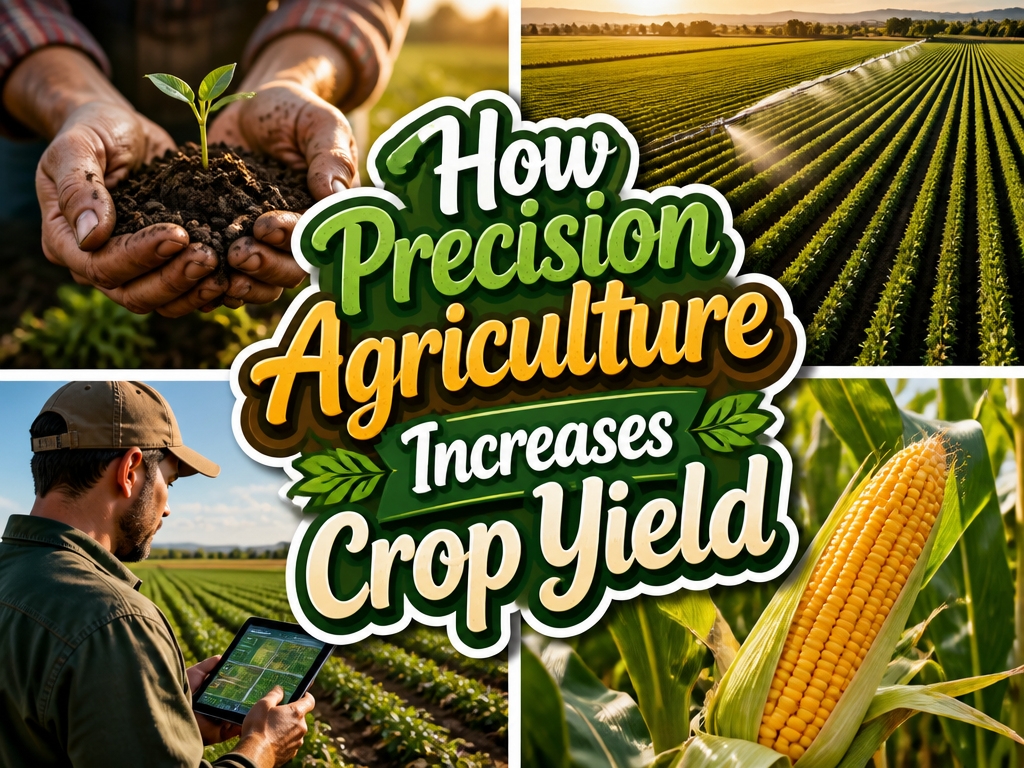
Morning light spreads across a Nebraska soybean field where a silent drone lifts above the rows. It’s checking for dry patches that even experienced eyes might miss, sending coordinates straight to a farmer’s phone before coffee finishes brewing.
You might wonder why precision matters so much. When every drop of water and pound of fertilizer costs money and environmental trust, guessing becomes expensive.
Ground sensors now sit beneath the soil surface, quietly tracking moisture and nutrients while variable-rate systems wait to respond with exactly what each zone needs.
The results show up in healthier plants and fuller harvests. Waste drops because nothing gets applied to already-thriving areas. Pests face stronger natural resistance from well-nourished crops.
Farmers sleep easier knowing they’re stewarding both their land and their margins with care that actually fits the problem.
What Your Field Tells You: Sensor and Drone Monitoring
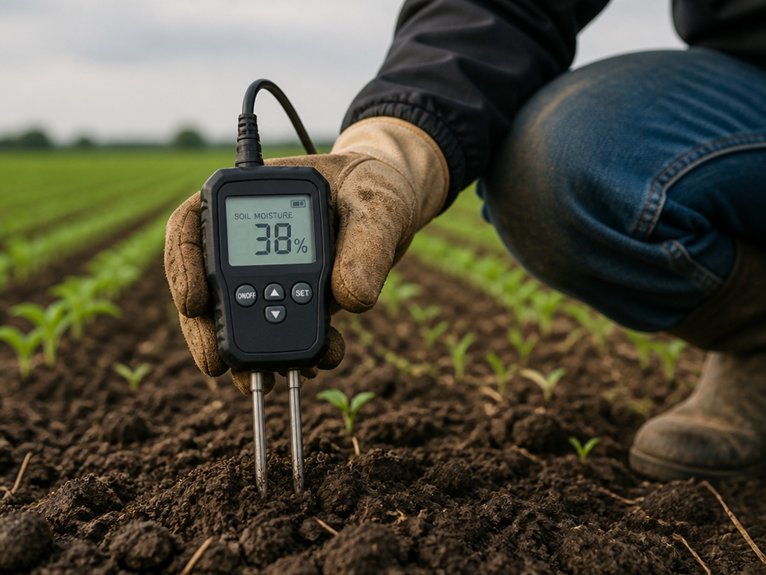
Ground Sensors Keep Watch
Sensors sit quietly in your fields around the clock. They track soil moisture, temperature, and nutrients. The data flows straight to your computer or phone. You know exactly what’s happening beneath the surface.
Drones Spot Problems from Above
Drones carry cameras over your crops on a schedule that works for you. The images reveal plant health, disease spots, and irrigation issues. You catch problems early, before they spread. Targeted action becomes possible.
Making It Work Together
Ground sensors never sleep. Drones add visual context when you need it. Combine both views, and your field’s story becomes clear. Water where it’s dry. Fertilize where nutrients run low. Treat only the spots that need help. Your resources stretch further, and your crops perform better.
Targeting Water Delivery to Maximize Irrigation Efficiency
Water scarcity challenges farmers everywhere. Precise irrigation delivery protects both crop yields and profits. Smart technology now makes this easier than ever.
Sensor systems map soil moisture across field zones. This reveals exactly where water is needed. Targeted watering replaces guesswork. Drip systems and variable-rate sprinklers send water straight to roots. Less evaporates. Less runs off.
Soil sensors let farmers irrigate by plant need, not calendar dates. Weather data predicts rainfall and prevents waste. Precision methods typically cut water use by 20 to 30 percent. Yields stay strong or improve.
GPS-guided equipment varies water amounts automatically. It responds to soil types, slopes, and growth stages. Resources stretch further. Operating costs drop.
Precision Fertilizer Application: Growing More With Less
Right Place, Right Time
Targeted irrigation delivers water where crops need it most. Precision fertilizer application works the same way. It puts nutrients exactly where roots can use them.
Farmers start with soil sensors and GPS mapping. These tools identify nutrient-deficient areas within fields. Variable rate equipment then adjusts fertilizer amounts based on location. This approach cuts overall fertilizer use by 10-20 percent. Yards stay steady or even improve.
Smart Tools in Action
Drones and multispectral imagery detect nitrogen levels in plants. They signal when crops need more nutrients. Fertigation systems deliver nutrients through irrigation lines. Nutrients go straight to root zones.
Split applications spread nutrients across the growing season. Timing matches what crops need at each stage.
Results You Can See
These methods lower input costs. They also decrease environmental runoff. Resource efficiency improves across the whole operation. Farmers spend less and grow more. The land benefits too.
Stopping Pests Before They Start: Data-Driven Defense
Farmers now have powerful tools to stay ahead of pest problems. Weather data, pest scouts, and field monitoring systems all help predict outbreaks early. These technologies spot conditions that pests love, like warm temperatures and high humidity.
Regular field checks catch the first signs of trouble. Visual inspections and trap systems make this possible. Decision-support software then takes that data and suggests when and how to act. Early detection of aphid colonies, for instance, means farmers can apply pesticides only where needed. This cuts down overall chemical use.
Integrated pest management brings together monitoring, biological controls, and resistant crop varieties. It stops pest populations from exploding in the first place. Yields stay protected without pouring on excessive inputs.
This approach saves money while keeping fields productive. Data-driven defense works smarter, not harder.
Variable Rate Technology: Matching Inputs to Field Conditions
What Is Variable Rate Technology?
Farmers need a smart way to apply fertilizer, water, and pesticides. Some field areas need more. Others need less. Variable rate technology solves this puzzle.
This system combines GPS mapping with soil data. It splits fields into zones based on actual needs. One zone might need 150 pounds of nitrogen. Right next door, another zone gets just 100 pounds.
How It Works in Practice
Sprayers and spreaders with this tech adjust automatically. They read the zone data and change output on the go. No manual fiddling required.
The equipment simply responds as it rolls across the field. Rich soil gets lighter treatment. Depleted areas receive the full amount.
Why It Matters
This targeted method cuts waste significantly. Farmers spend less on inputs. Crops perform better, too.
Perhaps best of all, it curbs environmental runoff. Excess chemicals stay out of nearby water sources. Everyone benefits from that outcome.
Frequently Asked Questions
What Is the Initial Investment Cost for Implementing Precision Agriculture Technology on My Farm?
Initial investment costs for precision agriculture technology typically range from $50,000 to $500,000, depending on farm size, equipment sophistication, and existing infrastructure. Factors include GPS systems, sensors, drones, and software subscriptions required for implementation.
How Long Does It Typically Take to See a Return on Investment From Precision Agriculture?
Precision practitioners typically trace tangible returns within three to five years. Farmers fielding these technologies frequently find that fuel efficiency, fertilizer optimization, and yield improvements collectively cushion costs, creating profitability progressively.
What Training Do Farmers Need to Operate Precision Agriculture Equipment and Software Systems?
Farmers require training in GPS navigation systems, data interpretation, sensor operation, and software management. Equipment manufacturers typically provide hands-on instruction and certification programs. Online courses and agricultural extension services offer supplementary education in precision agriculture technologies.
Which Precision Agriculture Technologies Work Best for Small-Scale or Organic Farming Operations?
Like a gardener reading soil through fingertips, small-scale farmers benefit most from accessible technologies: soil sensors, variable-rate irrigation systems, and drone imaging. These tools require minimal infrastructure investment while maximizing resource efficiency on limited acreage.
How Does Precision Agriculture Integrate With Existing Farm Management Systems and Equipment?
Precision agriculture integrates with existing systems through compatible software platforms, retrofitted sensors on current equipment, and data management interfaces. Farmers gradually adopt technologies without replacing functional machinery, ensuring seamless workflow changes while enhancing decision-making capabilities.
Conclusion
Precision agriculture functions as a farmer’s compass, guiding resources exactly where needed. By combining sensor data, drone monitoring, and variable rate technology, farmers navigate fields with surgical precision. Water reaches thirsty plants, fertilizer feeds hungry soil, and pests face early detection. This targeted approach transforms farms into efficient systems, where every input serves a purpose, ultimately harvesting greater yields from the same land.