
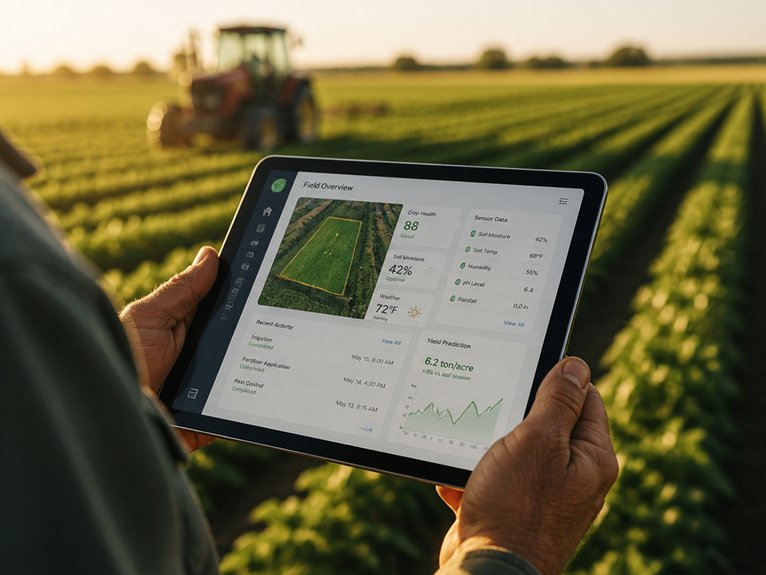
Dawn breaks over a soybean field in Iowa, and a tractor hums to life with no one in the cab. GPS guides it in perfect rows while the farmer sips coffee on her porch, checking moisture data on her tablet. This is farm automation, and it’s already rerouting how we grow food.
It’s easy to picture robots replacing every handshake and harvest, but the reality is more grounded. True automation means choosing tools that solve actual problems: drones spotting disease before it spreads, irrigation systems that water only where sensors say it’s dry, robots that pick strawberries at 3 AM without complaint.
The payoff comes from working smarter, not from chasing every shiny machine.
So what trips people up? Usually it’s buying too much too fast, or skipping the training that makes tech actually usable. A modest drip system that your crew understands will outperform a drone fleet that gathers dust.
Match the tool to your acreage, your crop mix, and your team’s readiness.
Walk your fields at sunset and you’ll feel it. The right automation doesn’t remove you from the land; it gives you back the moments that matter. Start small, measure what changes, and let real returns guide your next step.
What Farm Automation Actually Is and Why It Matters Now?
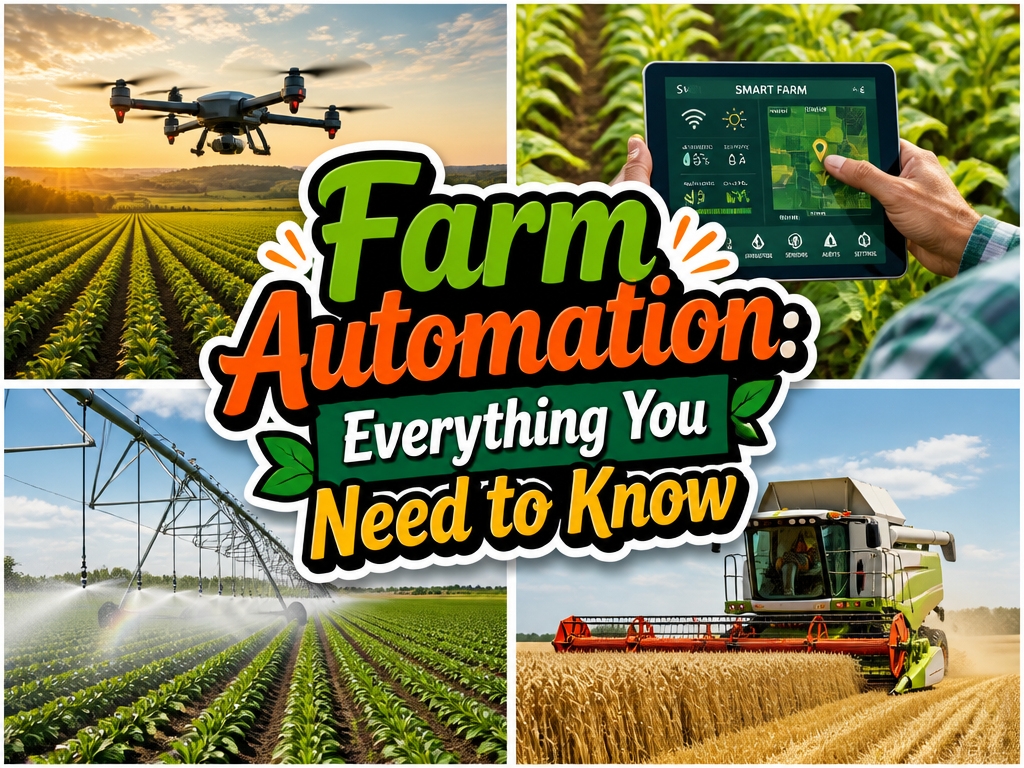
Why are farms increasingly turning to machines and technology? Farm automation means using equipment and computer systems to handle agricultural tasks with little human help. This includes tractors with GPS guidance, automated irrigation, robotic milkers, and drones for crop monitoring.
Why It Matters Now
Agriculture faces real challenges. Labor shortages are growing. Costs keep rising. Farms must produce more with less.
Automated systems work around the clock. They cut waste and boost yields. Precision irrigation puts water exactly where crops need it. Robots handle repetitive jobs like harvesting and sorting. Drones catch disease and pest problems early.
These tools help farms run smoothly. They grow more food. They stay profitable even when conditions get tough.
Automation ROI: Labor Savings and Yield Improvements That Matter
Understanding the Real Financial Benefits
Farm automation delivers measurable returns. Robotic systems cut labor costs by handling repetitive tasks like weeding, pruning, and harvesting. Precision irrigation reduces water waste while boosting crop yields by 15 to 20 percent.
Equipment That Pays for Itself
GPS-enabled tractors minimize fuel use and soil damage. Drones spot pest problems early, before they spread. Data platforms track soil moisture, nutrients, and weather. Farmers gain clear insights for better decisions.
Investment and Returns
Upfront costs range from $50,000 to $500,000. Payback typically takes three to five years. Sustained yield gains and lower input costs create lasting value. Mid-to-large operations find automation makes solid financial sense.
Choosing Automation by Farm Size and Budget
Automation approaches vary based on your farm’s scale and budget. Small farms do well with basic tools that won’t break the bank.
Small Farm Solutions ($5,000–$50,000)
Look into automated irrigation setups, GPS-guided tractors, or drone monitoring systems. These tools handle repetitive tasks without requiring major investment. Start with one upgrade and build from there.
Medium Farm Investments ($50,000–$250,000)
Robotic milking systems work well for dairy operations. Grain handling equipment saves hours during harvest. Automated livestock feeding keeps animals healthy with less daily labor. Pick the option that solves your biggest time drain.
Large-Scale Operations ($250,000+)
Autonomous tractors and AI-powered crop analysis become practical at this level. Integrated farm management software ties everything together. These systems require significant capital but deliver major labor savings across hundreds or thousands of acres.
Making Smart Choices****
Always calculate your expected payback period before buying. Tackle your most labor-heavy jobs first when money is tight. Your local agricultural extension office can point you toward solutions that fit your specific situation and goals.
GPS-Guided Farming: Precision Agriculture by the Inch
GPS-guided farming puts satellite technology to work in your fields. It steers tractors and equipment with inch-level accuracy. Planting and spraying become precise operations instead of guessing games.
These systems cut down on overlap and gaps between passes. You save fuel, seeds, and chemicals as a result. Field maps can be programmed into equipment before you start the day’s work.
Receivers mounted on tractors, combines, and sprayers talk to satellites overhead. John Deere and Trimble offer popular guidance options for most operators.
Accuracy ranges from six inches to a few feet. The exact precision depends on your system type and subscription level. This control reduces waste and helps improve yields across all your field operations.
Drone Automation for Real-Time Crop Monitoring
GPS-Guided Precision
GPS steers farm equipment with pinpoint accuracy. Drones now handle crop monitoring from above. They watch fields in real time as plants grow.
How Drones Capture Crop Data
Multispectral cameras spot what eyes cannot see. Plant health shows up in vivid detail. Moisture levels and pest damage appear clearly across wide areas.
Farmers catch problem zones early. They treat only where needed instead of blanketing entire fields.
Consistent Data Collection
Drones follow set flight paths each time. Software compares images for changes in crop vigor. Farmers know exactly where water, fertilizer, or sprays will help most.
Popular models like the DJI Agras and senseFly ebee plug straight into farm management systems.
Benefits of Early Detection****
Real-time monitoring removes the guesswork. Input costs drop when treatments target the right spots. Yields improve because crop stress gets caught before it spreads.
Robots That Actually Work: Harvesters and Autonomous Equipment
From Data to Action
Harvest robots turn monitoring data into real work. They cut labor costs and speed up crop collection. These machines use GPS, sensors, and smart programming to work on their own.
How They Operate
No human operator needs to stay in the field. Robotic apple pickers and autonomous strawberry harvesters handle delicate fruit with care. Self-driving tractors apply sprays with precision. Robotic systems actually damage less fruit than hand picking. They also run at night when workers are scarce.
Current Limits
Upfront costs remain steep. Rough terrain and crop variety still pose challenges. Equipment works best in uniform fields with tidy rows.
Connected Systems
Farmers now link these machines with drone data. This creates full automation networks. Timing and efficiency improve across entire harvest seasons.
Let AI Handle the Water: Smart Irrigation Systems
Smart irrigation systems use artificial intelligence to deliver water precisely. They know exactly when and where crops need it.
These systems combine soil moisture sensors, weather data, and machine learning. Together they optimize every watering schedule.
Sensors placed throughout fields measure moisture continuously. They transmit real-time information to central control systems.
AI analyzes this data alongside rainfall forecasts, temperature, and crop type. It determines exact irrigation needs for each zone.
Companies like John Deere and Climate FieldView offer platforms that reduce water waste considerably.
Drip irrigation paired with AI technology delivers water directly to plant roots. This minimizes evaporation and runoff.
Farmers report water savings of 20-30 percent. Crop yields stay the same or even improve.
Smart systems also cut labor costs. They automate scheduling decisions that used to require manual monitoring and adjustment.
Avoid These 5 Automation Mistakes Before You Invest
Rushing Without a Plan
Automation can transform your farm. But moving too fast leads to expensive headaches. Many producers buy equipment that clashes with their current setup. Others forget to check what their operation actually needs. Training often gets overlooked too. Your staff needs time to learn new systems.
Ignoring Hidden Costs****
Equipment breaks down. It always does. Repairs require technicians and parts. Both cost money. Build maintenance reserves into your budget from day one. Skipping this step creates nasty surprises later.
Forgetting Your Data
Soil and weather patterns matter. Drone monitoring and robotic harvesters need solid information to work well. Analyze your data before installing anything. Good inputs make automation worth the investment.
Missing the Big Picture
A system running fifty acres may struggle at two hundred. Think ahead about growth. Ask vendors how their technology scales. Modifications midstream drain resources and delay benefits.
Skipping Site Checks
Poor placement kills performance. Wet spots, uneven terrain, and power limitations cause problems. Walk every location with an experienced eye. Test small before going all in.
Pilot programs reveal issues early. Talk to farmers already using the tools you want. Their lessons save you time and money. Smart preparation turns automation into profit instead of regret.
Frequently Asked Questions
How Long Does Farm Automation Equipment Typically Last Before Requiring Replacement?
Farm automation equipment typically lasts 10-15 years with proper maintenance. However, lifespan varies greatly depending on equipment type, usage intensity, climate conditions, and maintenance quality. Regular servicing extends longevity considerably.
What Training Do Farm Workers Need to Operate Automated Systems Effectively?
Farm workers require thorough training in equipment operation, software navigation, and basic troubleshooting. Hands-on instruction, certification programs, and ongoing technical support guarantee operators maximize automation efficiency while minimizing costly errors and downtime.
Are There Government Grants or Subsidies Available to Help Farmers Purchase Automation?
Government grants and subsidies for farm automation vary by region and country. The USDA offers cost-sharing programs, while state agricultural departments provide additional funding opportunities. Farmers should contact local agricultural extension offices for specific eligibility requirements and available programs.
How Does Farm Automation Affect Soil Health and Long-Term Land Sustainability?
Farm automation’s impact remains contested: precision technology can reduce soil compaction and chemical runoff, yet heavy machinery poses long-term degradation risks. Sustainable outcomes depend entirely on implementation methods and farmer management practices.
What Cybersecurity Risks Should Farmers Consider With Connected Automated Equipment?
Farmers face significant cybersecurity threats including unauthorized equipment access, data breaches exposing operational information, ransomware attacks disrupting operations, and GPS spoofing compromising precision agriculture systems. Strong passwords, regular software updates, and network segmentation mitigate these risks.
Conclusion
Farm automation requires strategic planning, considering farm size, budget, and specific needs before investing. GPS systems, drones, robots, and smart irrigation each offer distinct advantages for different operations. Can farmers afford not to adopt these technologies as labor becomes scarcer? Success depends on avoiding common mistakes, training staff properly, and scaling solutions gradually to match operational capacity and financial resources.