
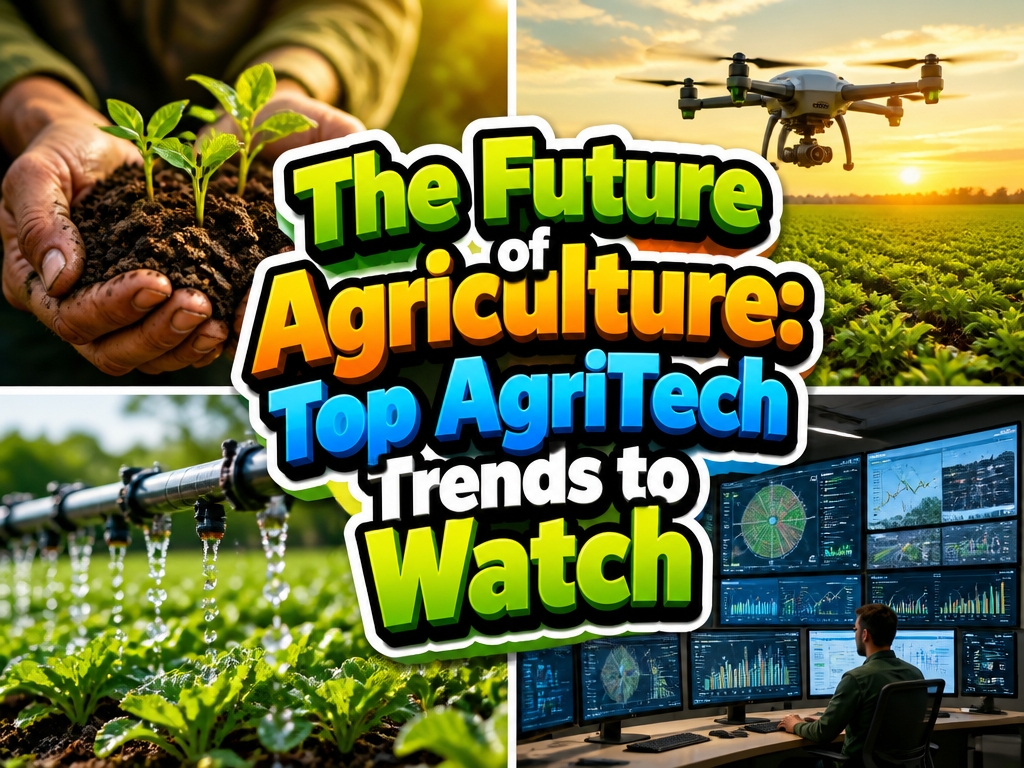
Dawn breaks over a California almond orchard where a single technician checks her tablet instead of fifty workers fanning through the rows. The soil sensors she glances at have been whispering moisture data all night, long before anyone arrived. This is farming now: quieter, more precise, yet somehow more complicated too.
You might wonder where all this technology actually comes from, and who gets to use it. The answer reveals a familiar tension. Venture capital tends to pool around large operations with proven returns, leaving smaller family farms sorting through grant applications and secondhand equipment. The innovations exist. The access doesn’t always follow.
There’s something quietly hopeful watching a drone map a field in minutes, spotting disease patterns no human eye could catch from the ground. AI doesn’t replace the farmer’s intuition; it extends it.
Vertical farms grow lettuce in city warehouses, cutting transport miles to almost nothing. These tools solve real problems: labor that’s hard to find, water that’s harder still, weather that refuses to behave.
Yet the real question isn’t what technology can do. It’s who benefits when it arrives. The future of agriculture depends less on the next breakthrough and more on whether that breakthrough reaches the people who need it most.
Precision Agriculture: Turning Data Into Better Harvests
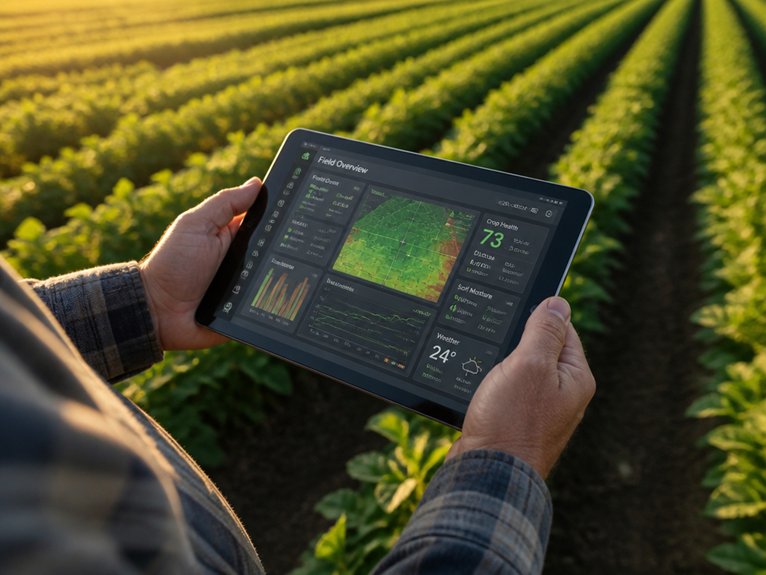
Precision agriculture uses data from sensors, satellites, and GPS technology. It helps farmers make decisions based on actual field conditions. No more guesswork.
Soil moisture sensors track water levels across fields. Farmers adjust irrigation based on real readings. This cuts waste and keeps crops healthy.
Drones with multispectral cameras spot problems early. They detect crop stress, disease, and nutrient gaps in specific zones. Farmers can act before small issues spread.
GPS-guided tractors plant and spray with precision. They reduce overlap and minimize wasted inputs. Variable rate technology applies fertilizer and pesticides where needed most. It responds to mapped soil differences across each field.
Platforms like John Deere’s Operations Center and Climate FieldView bring all this data together. They give farmers a clear picture of their operations.
The results speak for themselves. Farms use less water. Chemical costs drop. Yields improve. Precision agriculture replaces broad, one-size-fits-all methods with targeted, measurement-driven care.
AI-Powered Crop Monitoring and Disease Detection
Faster Problem Spotting
AI speeds up detection and response times. These systems scan plant images for diseases, pests, and nutrient issues. They often catch problems before farmers notice them visually.
Companies like Plantix and Descartes Labs apply machine learning to field scans. Drones and smartphones collect data. Affected areas get flagged instantly.
Precision Analysis
The tools inspect leaf discoloration and spotting patterns. Stem changes also appear clearly. Farmers get quick alerts about powdery mildew, rust, or blight.
Early detection means early action. Crop losses drop when infections are caught sooner. Fungicide use decreases too.
Simple Integration
The technology connects smoothly with farm management software. Data flows straight to farmer devices. Treatment suggestions pop up based on actual field conditions.
This cuts down guesswork. Chemical waste drops. Yields stay protected.
Vertical Farming: Growing More With Less Land
Controlled environment agriculture, or vertical farming, stacks crops in indoor layers. This method maximizes yield per square foot.
Artificial lighting, climate control, and hydroponic systems power these operations. Vegetables, herbs, and leafy greens grow year-round.
Companies like AeroFarms and Local Bounti run large vertical farms in cities. They cut transportation costs and reduce food waste.
Vertical farming uses 95 percent less water than traditional methods. It also eliminates the need for pesticides.
Harvests stay consistent no matter the weather or season. Crops grow reliably throughout the year.
Setup costs are still high for new operators. However, LED and automation prices keep dropping.
Growth cycles run faster for lettuce and microgreens. Farmers can deliver fresh products to nearby markets within days.
Drones and Robots: Cutting Labor Costs and Boosting Accuracy
Less Labor, Better Results
Farm work is changing fast. Drones and robots now handle jobs that once needed large crews. These machines cut costs and improve accuracy across the board.
Eyes in the Sky
Multispectral cameras on drones spot crop health problems early. They find pest issues and check irrigation needs across wide areas. Data comes back faster than sending people to walk the fields. Farmers can respond quickly when problems appear.
Smart Machines on the Ground
Robotic harvesters and weeders do repetitive tasks with steady precision. Some use AI to tell crops from weeds. They apply treatments only where needed, saving chemicals and time.
Why Farmers Make the Switch
Labor shortages push many toward automation. Rising wages add pressure too. Farmers who invest see lower operating costs and better harvests. The upfront price tag can still be tough for smaller farms to manage.
IoT Sensors: Monitor Your Soil 24/7
While drones and robots handle fieldwork, IoT sensors work beneath the surface. These devices track soil conditions around the clock. They measure moisture, temperature, pH, and nutrients in real time.
Farmers receive data through smartphone apps or computer dashboards. This helps them make smart irrigation and fertilization choices.
Soil Health Institute and Trimble offer wireless sensor systems. These connect directly to farm management platforms. Sensors catch problems early, like waterlogging or nutrient gaps. Crops stay healthier as a result.
Automated monitoring cuts waste and optimizes resources. Yields improve too.
Installation is straightforward. Place sensors at different depths across your fields. The technology works with your existing equipment and software. Everything runs smoothly together.
Adaptive Irrigation Systems: Farming With Unpredictable Weather
Soil sensors give farmers real-time data. But weather patterns stay unpredictable. Adaptive irrigation systems solve this problem. They adjust water delivery automatically based on current conditions and forecasts.
These systems combine weather stations, soil moisture sensors, and predictive algorithms. They optimize watering schedules without guesswork. If rain is forecasted within 24 hours, irrigation drops. This saves water and cuts costs. During surprise dry spells, water application increases. Crops stay healthy through shifting conditions.
Netafim and Jain Irrigation make smart controllers that blend weather data with soil readings. Farmers see less water waste and lower bills. Crop yields improve too. This technology helps most in regions with erratic rain or ongoing drought.
Blockchain: Tracking Food From Farm to Table
—
The Need for Transparency
Consumers care more than ever about where their food comes from. Blockchain technology offers a clear solution. It tracks products through every step of the supply chain.
—
How It Works
This distributed ledger records each transaction. From harvest to retail, the data stays permanent. Buyers can access this history with ease.
—
Real-World Results
Walmart uses blockchain to track produce. Contamination response time dropped from days to seconds. The technology also verifies organic certifications. Fair-trade practices get confirmed automatically. Premium products like specialty coffee and seafood become easier to authenticate.
—
Fighting Fraud
Counterfeit goods lose their hiding places. Every handling stage gets documented. Issues get traced to specific batches instantly. Retailers avoid broad, costly recalls.
—
Benefits for Everyone
Farmers prove sustainable practices and reach new markets. Consumers scan a simple QR code. Product history appears right on their phones.
Automation: Replacing Scarce Farm Labor Without Sacrificing Yields
Agricultural labor shortages have pushed farmers toward mechanized solutions. These machines maintain or even boost production levels.
Robotic harvesters now pick crops with care. Autonomous tractors till soil around the clock. Drones keep watch over plant health from above. Together, they use GPS and artificial intelligence to work with precision. The result is less waste and better efficiency.
Leading Equipment Manufacturers
Companies like John Deere and AGCO build tractors that drive themselves. You can set routes and let the machine handle the rest.
Elsewhere, Abundant Robotics and similar firms have solved a tricky problem: picking delicate fruit without bruising. Their systems harvest apples gently, matching what skilled hands once did.
Drones also play a big role in pest and nutrient management. They spray pesticides and fertilizers evenly across huge fields. This uniform application beats manual methods for consistency.
Costs and Payoff
Buying this technology requires serious capital. Most machines run between $50,000 and $750,000. That figure shocks many farm owners at first.
Yet the long-term math usually works. Farms spend less on hard-to-find workers. Operations finish faster, often in half the time. Crop quality stays steady season after season. Those savings and gains add up, paying back the initial investment over time.
Funding the AgriTech Revolution: Where Venture Capital Is Betting
Where the Money Is Going
Smart farming tools need serious cash to get started. Venture capitalists have spotted this opportunity. They are writing big checks for equipment that automates fields, sensors that track every detail, and software that crunches the numbers.
Heavy hitters like Khosla Ventures and Breakthrough Energy Ventures have poured hundreds of millions into the space. Startups building self-driving tractors, drone scouts, and AI crop advisors are seeing the most action.
Hot Sectors and Regions
Investors especially love tech that saves water and supports sustainable practices. Regional funds in the Midwest and California are getting in on the action too. They focus on early-stage companies right in their backyards.
The Reality Check
This money rush speeds up timelines. Bright ideas reach store shelves much faster now. But here is the catch. Most dollars flow toward massive commercial operations. Small family farms are often left out of these funding conversations.
Frequently Asked Questions
How Do Small Farms Afford Agritech Solutions With Limited Budgets?
Small farms access affordable agritech through government subsidies, cost-sharing programs, and equipment leasing options. Cooperative purchasing groups reduce expenses by pooling resources. Open-source software and refurbished equipment provide budget-friendly alternatives to premium solutions.
What Training Do Farmers Need to Operate New Agricultural Technologies?
Farmers require training in equipment operation, data interpretation, software management, and basic troubleshooting. Many technology providers offer certification programs, online courses, and on-site demonstrations. Hands-on workshops and peer mentoring also help operators master new agricultural technologies effectively.
How Does Agritech Impact Rural Employment and Farming Communities?
AgriTech transforms rural employment by automating labor-intensive tasks, reducing traditional job opportunities while creating new roles in technology management and data analysis. Farming communities experience increased productivity and profitability, though smaller operations face adoption barriers.
Are Agritech Systems Compatible With Organic Farming Practices?
AgriTech systems demonstrate varying compatibility with organic farming. Precision irrigation, soil monitoring sensors, and pest management software align well with organic principles. However, systems dependent on synthetic inputs require modification for organic certification compliance.
What Are the Environmental Costs of Manufacturing Agritech Equipment?
Manufacturing agritech equipment requires significant energy consumption, raw material extraction, and chemical processing. Production generates greenhouse gas emissions, water pollution, and electronic waste. These environmental impacts must be weighed against potential agricultural productivity gains.
Conclusion
Agriculture’s future hinges on technology adoption, data analysis, and capital distribution. Precision farming, AI monitoring, vertical systems, and automation promise efficiency gains. Yet success requires equitable funding for small operations, not just venture-backed startups. IoT sensors, drones, and blockchain integration reshape production methods. Farmers balancing innovation costs with practical returns face genuine challenges. Sustainable progress depends on accessible technology, realistic implementation timelines, and consistent support infrastructure.