

Dawn breaks over frost-covered fields, and already the phone buzzes with price alerts. Farmers across the country are waking up to another year of uncertainty, where a drought halfway around the world can reshape your entire season before breakfast.
Commodity markets have always been restless, but 2024 feels different. Weather patterns grow more erratic, conflicts disrupt supply chains overnight, and trade policies shift with little warning. Meanwhile, fertilizer and fuel costs swing wildly, turning what should be simple calculations into educated guesses. Some growers are finding refuge in specialty crops, where smaller markets mean less volatility and better returns for those willing to adapt.
There’s something quietly reassuring about watching a neighbor’s precision planter glide through perfect rows, guided by satellites and soil sensors. The technology isn’t cheap, yet the efficiency gains add up quickly: less waste, better yields, fewer sleepless nights.
Still, no gadget can outsmart a hailstorm or an early freeze. That’s why the sharpest operators are hedging their bets long before the first seed hits dirt, locking in prices, diversifying crops, and building relationships with buyers who value reliability over volume.
Standing at the kitchen table with coffee growing cold, you study the numbers one more time. The forces shaping agriculture this year are too interconnected to tackle in isolation. Understanding how they tangle together, that is what separates a surviving season from a thriving one.
Commodity Price Volatility: What’s Driving 2024 Swings?
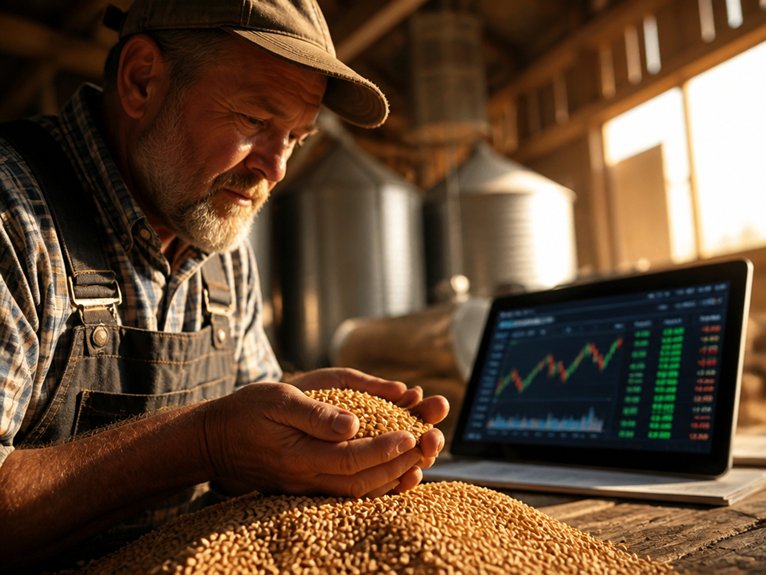
Commodity Price Volatility: What’s Driving 2024 Swings?
Weather patterns, geopolitical tensions, and supply chain disruptions have created significant price swings for major crops in 2024.
Drought conditions in key growing regions pushed corn and wheat prices higher during spring months. Conflicts affecting grain exports from Eastern Europe introduced fresh uncertainty into global markets.
Fertilizer costs remained elevated. This influenced planting decisions and production expenses for many producers.
Soybean prices fluctuated based on Brazilian harvest outcomes and shifts in Chinese demand. Energy prices also played a direct role in fuel and input costs for farmers.
Market speculation and futures trading amplified these movements. Prices sometimes disconnected from actual supply conditions as a result.
What Helped Farmers Stay Ahead
Producers who monitored regional weather forecasts gained useful insight. Tracking international news, fertilizer availability, and energy markets also supported better pricing decisions.
Understanding these drivers helped farmers choose crops more strategically. Many also improved their sales timing by staying informed.
Trade Policy and How It’ll Reshape Your Markets
New Pressures on the Farm
Tariffs and trade agreements are shifting in 2024. Farmers now face fresh challenges with exports, input costs, and crop prices.
Trade tensions between major economies hit grain exports hard. Corn and soybeans bound for China and the EU feel the strain most acutely.
Equipment and Supply Costs
Retaliatory tariffs push equipment prices higher. Tractors and fertilizers now cost more to bring into your operation.
Keep an eye on ongoing negotiations. Dairy, wheat, and beef markets are seeing significant policy changes right now.
Currency and Competitiveness
Trade disputes trigger currency fluctuations. These swings change how competitive your products are overseas.
Domestic markets adjust as imports grow costlier or barriers come down. Price shifts at home follow these global patterns.
Planning Ahead
Bilateral agreements and regional trade blocs matter more than ever. Understanding them helps you spot market shifts early.
Use that knowledge to adjust your planting decisions. A little foresight goes a long way in uncertain times.
Managing Input Costs When Supply Chains Break Down
Rethinking Purchase Timing
Supply chain disruptions hit hard. Farmers need new strategies for buying fertilizers, seeds, and fuel.
When suppliers delay, adjust your timelines. Buy in bulk earlier to lock in prices. This simple move can save thousands.
Finding Better Sources
Compare costs across multiple suppliers. Check regional distributors and cooperatives. These alternatives often beat traditional sources.
Spread your orders around. Relying on one vendor leaves you exposed when trouble hits.
Building Strong Connections
Get to know your equipment dealers and feed suppliers. These relationships matter during shortages. Connected farmers often get first priority.
Watch price trends month by month. Better data means better timing for big purchases.
Protecting Your Stockpile
Store extra fuel and seed safely. A modest reserve cushions against price spikes. It also covers gaps when shelves go bare.
Small steps add up. Smart planning keeps your operation profitable, even when markets get messy.
What Crops Are Actually Selling (And for How Much)?
Current Commodity Markets
Soybeans, corn, and wheat remain strong right now. Prices do fluctuate based on global supply and demand. These staples form the backbone of many farming operations.
Specialty Crop Opportunities
Organic vegetables, berries, and nuts offer higher margins per acre. They typically earn more than commodity grains. This makes them attractive for farmers with the right growing conditions.
Regional Market Factors
Livestock feed prices track closely with grain costs. This affects cattle, poultry, and dairy farms across the country.
Coastal areas tend to favor fresh produce markets. Midwest regions usually focus on grain exports instead. Your location largely determines what sells best locally.
Current Price Points
Soybeans are averaging $12 to $14 per bushel. Corn is ranging between $4 and $5 per bushel. Wheat sits at roughly $6 to $7 per bushel.
Organic vegetables command premiums of 30% to 50% above conventional crops. These numbers shift regularly with market conditions.
Making Smart Sales
Track commodity futures contracts for better timing. Check USDA reports and local cooperative pricing too. This information helps you position your crops effectively.
Market timing is always challenging. It remains essential for maintaining profitability. Stay informed and ready to act when conditions favor your farm.
Should You Invest in Precision Farming Tech Right Now?
The Upfront Reality
Precision farming tech comes with a serious price tag. Most farmers spend between $50,000 and $200,000 to get started. The final amount depends on your farm size and which equipment you choose.
GPS-guided tractors, soil sensors, and variable rate applicators all add up quickly. Before you buy, take a hard look at your current yields. Ask yourself if the gains will truly offset these costs.
What Drives Your Payback Timeline****
Your return on investment hinges on three things: what you grow now, your crop type, and how much your soil varies across fields.
Corn and soybean operations with 500+ acres often break even in 3 to 5 years. Smaller farms face a different picture. The same goes for specialty crop growers or anyone already running tight, efficient operations. These folks may need more patience.
Hidden Costs to Watch
The initial purchase is just the beginning. Data management systems need regular attention. Technical support isn’t free either.
Dig into the details before you sign anything. Compare subscription fees across providers. Check how well new equipment plays with your current machinery. Ask about durability too. Some brands hold up better than others.
Local Factors Matter Most
Your region shapes everything. Soil conditions vary widely. Commodity prices swing up and down. Both directly affect whether this investment makes sense for you.
Talk to neighbors who’ve already made the leap. Their experience in your specific area beats any generic timeline.
Climate Risk: Plan Your Hedges Before Planting Season
Start Early on Risk Management
Planting season brings big decisions for farmers. Climate risk management matters now more than ever. Hedging can protect your operation from price swings and weather surprises.
Futures contracts, options, and insurance products each play a role. Crop insurance deserves a close look this year. Parametric coverage handles drought or too much rain. Commodity futures lock in prices you can count on.
Explore Your Protection Options
Weather derivatives guard against temperature spikes that hurt yields. These tools fill gaps traditional insurance might miss.
Look back at your region’s climate history. Check current market conditions. Know your own risk tolerance. Putting hedges in place early cuts your exposure to losses. Climate events and price drops hurt less when you’re prepared.
Get Expert Guidance****
Agricultural advisors know the tools available. They help match hedging strategies to your farm size, crops, and budget. The right plan fits your financial capacity without overextending you.
Frequently Asked Questions
How Can I Diversify My Farm Income Beyond Traditional Commodity Crops?
Farmers can diversify income by cultivating specialty crops, establishing agritourism ventures, producing value-added products, raising niche livestock, generating renewable energy, or leasing land for conservation programs.
What Financing Options Are Available for Farmers Facing Cash Flow Problems?
Farmers facing cash flow challenges can explore operating loans from agricultural banks, Farm Service Agency programs, equipment financing, crop insurance advances, and lines of credit. Agricultural cooperatives also offer member financing options at competitive rates.
How Do Labor Shortages Impact Farm Operations and Profitability This Year?
Labor shortages force farmers to increase wages, reduce operational capacity, and delay harvesting. Higher labor costs compress profit margins while incomplete work diminishes crop yields and product quality, ultimately affecting farm competitiveness and financial returns.
What Insurance Products Should Farmers Consider Beyond Crop Insurance Coverage?
Farmers should consider liability insurance protecting against property damage and bodily injury claims, equipment coverage for machinery protection, livestock insurance for animal loss, business interruption insurance for income protection during disruptions, and workers’ compensation for employee-related incidents.
How Can Farmers Build Stronger Direct-To-Consumer Marketing Channels and Relationships?
Like seeds planted in fertile soil, direct-to-consumer channels flourish through farmers’ markets, social media engagement, subscription boxes, and farm visits. Building trust via transparent storytelling about production practices strengthens customer loyalty and premium pricing opportunities.
Conclusion
Farmers traversing 2024 face interconnected challenges: volatile commodity prices, shifting trade policies, and rising input costs coincide with unprecedented opportunities in specialty crops and precision technology. Success requires monitoring market trends closely, purchasing inputs strategically, and evaluating technology investments against potential returns. By addressing these factors simultaneously—price volatility, supply chain disruptions, and climate risks—farmers can develop thorough strategies that balance immediate cost management with long-term productivity gains.