
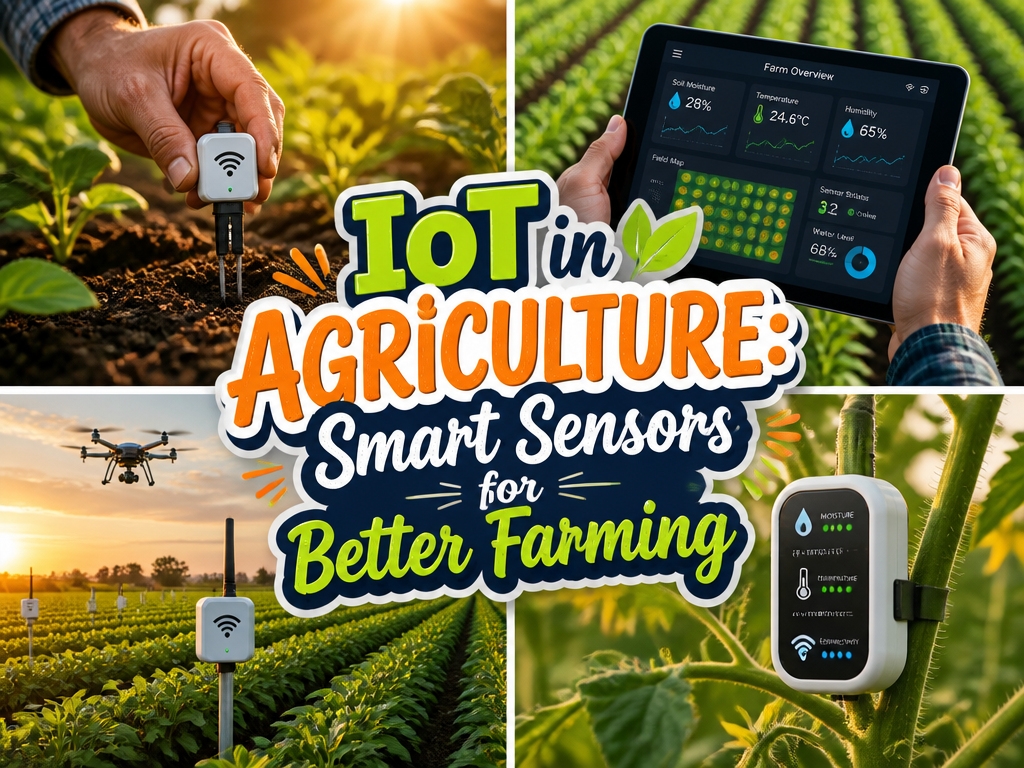
Morning dew still clings to the leaves when a farmer checks their phone and sees exactly which field needs water. IoT sensors now make this possible, tracking soil moisture, temperature, and nutrients with quiet precision. The data arrives in real time, turning guesswork into informed decisions about irrigation and feeding schedules.
A small sensor buried near the roots can spot trouble before it spreads. It notices nutrient gaps, early signs of pests, or water pooling where it shouldn’t be. Farmers catch problems while they’re still manageable, saving crops that might have been lost just a season ago.
Water flows only where and when it’s truly needed now. Precision irrigation cuts waste significantly while pushing yields higher, a combination that matters more with each dry summer. The technology pays for itself differently on each farm.
The upfront costs deserve honest attention though. Installing networks takes planning, patience, and clear-eyed math about when returns will arrive.
What works beautifully on one field might stumble on another. Success follows farmers who match the tools to their own land, timing, and budget.
How IoT Sensors Monitor Soil and Crop Health in Real Time
Smarter Data Collection
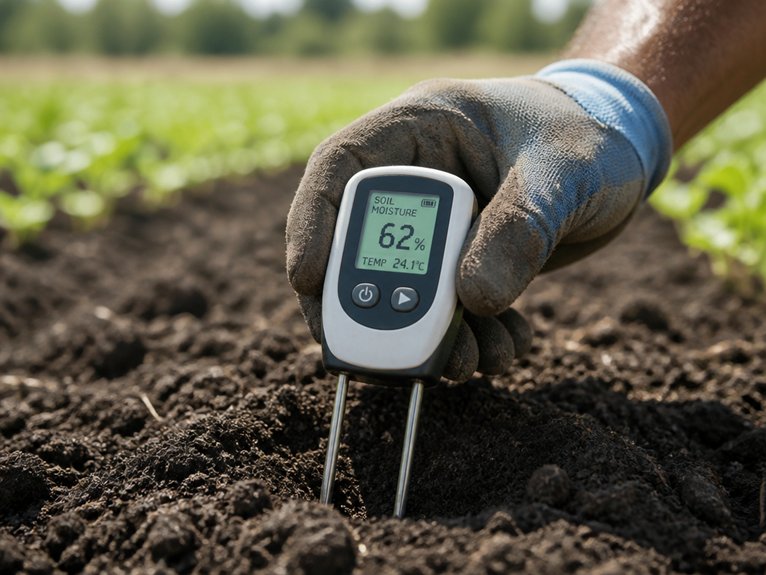
Sensor technology has changed how farmers work. IoT devices now gather field data around the clock. They track soil moisture, temperature, and nutrients without stopping. Information flows straight to phones and computers in real time.
Catching Problems Early
These sensors spot trouble before it spreads. Farmers can then tweak irrigation, fertilizer, or pest control right away. Quick adjustments save crops and cut losses.
Key Sensor Types
Soil moisture sensors stop overwatering. They prevent wasted water and root damage. Temperature sensors watch conditions that speed up or slow down growth. Drones carry multispectral cameras too. These scan leaf color and density to gauge plant health.
Alerts That Matter
Farmers get notified when pH drops or nitrogen runs low. Warnings also come when disease risk climbs. This beats guessing and checking fields by hand.
Real Results
Input costs drop when farmers apply only what’s needed. Yields improve with precise, timely care. Semios builds wireless networks for this purpose. John Deere links equipment to share field data directly. Both put useful information in farmers’ hands fast.
Precision Irrigation: Cutting Water Waste and Boosting Yields
Smart Water Systems in Action
IoT sensors help farmers water crops only when needed. Soil moisture sensors track water levels underground. They send data to automated systems that control sprinklers and drip lines.
This targeted approach cuts water use by up to 30 percent. It outperforms traditional flooding methods. Farmers in California’s Central Valley rely on these systems to save resources during droughts.
Weather stations connect directly to irrigation networks. They adjust watering based on rainfall and temperature forecasts. Crops thrive with steady, efficient hydration. Plants avoid the stress of too much or too little water.
The technology shines in dry regions. It lowers costs while keeping productivity high. Sustainability goals stay within reach.
Detecting Crop Disease and Pests Before They Spread
Early detection stops crop disease and pests from spreading. IoT sensors with cameras and spectral analysis tools track plant health around the clock. They spot problems before visible damage takes over your fields.
What These Smart Devices Catch
Fungal infections show up through leaf discoloration patterns. Pest traps with wireless alerts pinpoint insect infestations. Multispectral imaging reveals bacterial diseases. Sensors also flag nutrient deficiencies that hurt crop vigor.
Farmers get real-time notifications when plants show abnormal conditions. This allows quick action with targeted treatments. Early response cuts pesticide use, reduces crop losses, and lowers treatment costs. Waiting until infestations spread costs far more.
From Reactive to Proactive
Precision detection systems across your acreage change the game. They turn reactive pest management into proactive disease prevention. Your yields stay protected. Your farm profitability stays secure.
Setting Up Your First Farm IoT Network: Infrastructure, Costs, and Timeline
Building a functional IoT network needs three main parts. You need sensors, connectivity hardware, and a data management platform. These work together to collect and process farm data.
Initial costs range from $5,000 to $50,000. This depends on farm size and technology choices. Small operations can start modestly. Larger farms require bigger investments.
—
The sensor layer includes soil moisture sensors, temperature probes, and weather stations. WiFi, cellular, or LoRaWAN connections move data from fields to servers. Pick the option that matches your location and coverage needs.
—
Implementation takes 2 to 6 months. This covers planning, installation, and system testing. Start with smaller pilot areas first. Expand gradually as you gain confidence.
Basic setups cost less but cover limited areas. Premium systems monitor extensive acreage with more detail. Farmers should also budget for maintenance, software subscriptions, and equipment replacements.
—
Your timeline depends on terrain complexity. Existing infrastructure and on-site technical expertise also matter. Assess these factors early to set realistic expectations.
Cost Breakeven and Yield Gains: Calculating Your ROI
Installing an IoT system is just the first step. Farmers then need to see if it actually pays off through better harvests and less waste.
ROI comes down to simple math. Compare your total setup costs against the gains you can measure. Look at yield per acre, water used, and fertilizer spending. These numbers tell the real story.
A farmer might spend $15,000 on sensors and software. That same farmer could see yields jump 10-15% in a single season. Water savings alone often cover 20-30% of the initial investment. Most systems break even in 2-3 years. Crop type, farm size, and how complex the system is will affect that timeline.
Remember to budget for upkeep. Maintenance usually runs $2,000-4,000 each year.
Start with solid baseline data. Record your production numbers before you install anything. Then check your progress every month. This steady tracking shows if the investment still makes sense down the road.
Frequently Asked Questions
What Types of Iot Sensors Are Compatible With Existing Farm Equipment and Systems?
Weather stations, soil moisture sensors, temperature probes, and GPS tracking devices integrate with existing farm equipment. Wireless protocols like LoRaWAN and Zigbee enable compatibility with legacy systems through retrofit adapters and middleware solutions.
How Do Iot Sensors Handle Connectivity Issues in Remote Rural Areas With Poor Signal?
IoT sensors in remote areas employ multiple connectivity solutions including LoRaWAN, NB-IoT, and satellite communication. They utilize local mesh networks, store data locally, and synchronize when connectivity restores, ensuring continuous operation despite poor signal conditions.
What Data Security and Privacy Measures Protect Farm Information Collected by Iot Systems?
IoT agricultural systems employ encryption protocols, secure authentication mechanisms, and data anonymization to protect farm information. Regular security audits, role-based access controls, and compliance with data protection regulations like GDPR guarantee farmer privacy remains safeguarded.
Which Iot Platforms and Software Integrations Work Best for Different Crop Types?
Like seeds finding their soil, distinct IoT platforms anchor to specific crops: John Deere’s Operations Center suits row crops; Trimble platforms excel with orchards; Raven Industries’ systems optimize vegetables. Software selection depends on individual farming needs and crop complexity requirements.
How Often Do Iot Sensors Require Maintenance, Calibration, or Battery Replacement?
IoT agricultural sensors typically require battery replacement every six to twelve months, calibration quarterly, and routine maintenance biannually. Frequency varies based on sensor type, environmental conditions, and manufacturer specifications for peak performance.
Conclusion
Ironically, farmers adopting IoT technology discover that increased data collection requires more attention, not less. Sensors provide real-time soil, moisture, and pest information, yet farmers must interpret results, adjust irrigation systems, and act quickly. The efficiency gains prove substantial through reduced water waste, earlier disease detection, and improved yields. However, success demands initial investment, technical knowledge, and ongoing system maintenance. Smart farming, paradoxically, demands smarter farmers.