
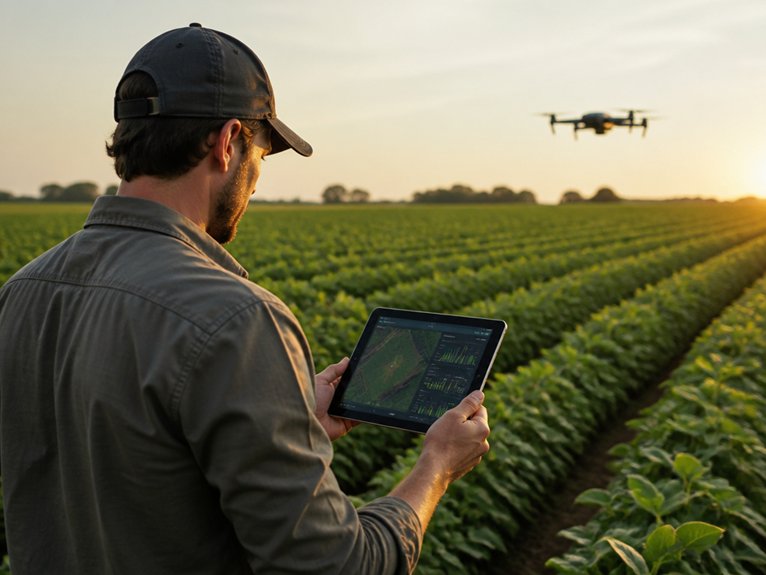
Morning light spreads across a field in Nebraska, and a farmer checks her tablet before the tractor ever moves. GPS maps show exactly where soil runs thin, where moisture lingers, where nutrients have faded. This is precision farming: data replacing guesswork, season after season.
You might picture agriculture as stubbornly traditional, resistant to change. Yet the shift happening now is quiet but thorough. Sensors buried in root zones send readings every hour. Drones pass overhead, spotting stress in crop crowns before human eyes could catch it. The goal isn’t novelty for its own sake. It’s about using only what’s needed, exactly where it’s needed.
The benefits accumulate quickly. Fertilizer bills shrink. Water stretches further. Yields edge higher without expanding acreage.
Still, the hardware sits heavy on budgets, and learning these systems demands patience most managers barely have. Smaller farms feel this weight most acutely.
What strikes me is how this technology changes the feel of the work itself. Walking a field once meant scanning for trouble through experience and intuition.
Now it means interpreting dashboards, calibrating thresholds, trusting invisible networks. The best growers balance both worlds: the numbers and the dirt under their nails.
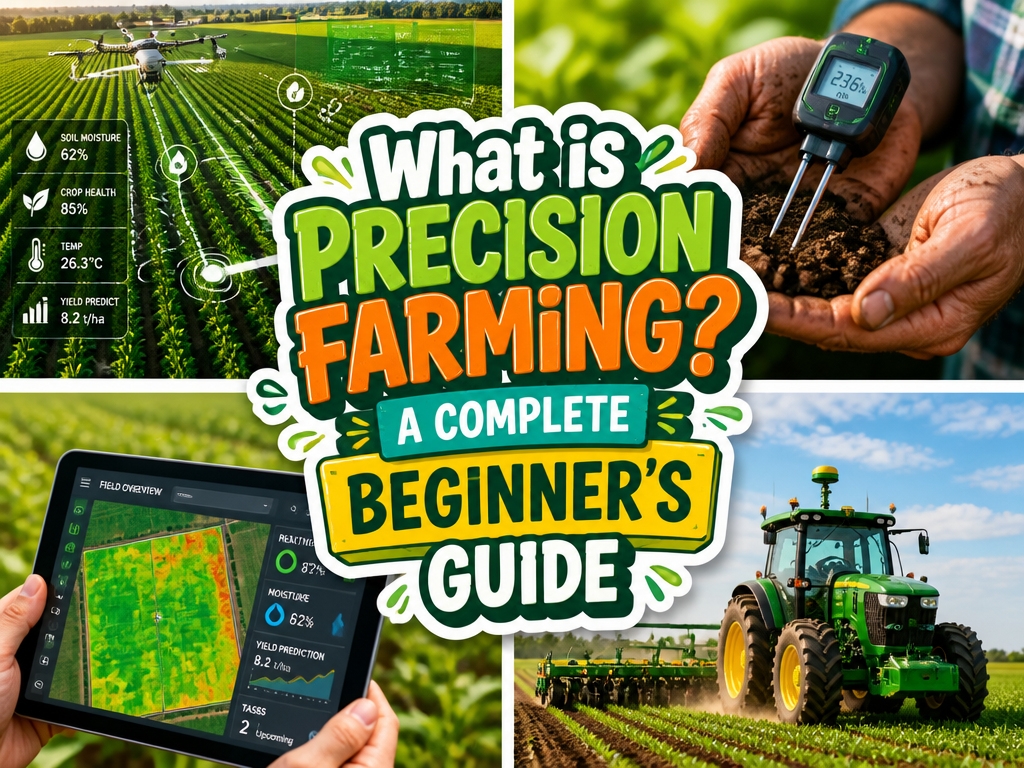
What Is Precision Farming and How Does It Work?
What Is Precision Farming and How Does It Work?
The Basics
Precision farming uses technology and data to manage crops and livestock with care. It helps farmers work more accurately and waste less.
Farmers gather information from soil sensors, GPS systems, and drones. This lets them check field conditions as things happen. The data shows where moisture, nutrients, or pests vary across a plot.
Smart Resource Use
Instead of treating every acre the same, farmers target specific spots. One corner might need extra nitrogen. Another might already have enough.
GPS-guided tractors cut down on overlap during planting and harvesting. This saves fuel, seed, and time.
Putting It All Together
The approach blends hardware, software, and analytics. The goal is better yields with lower costs and less environmental harm.
Weather forecasts and past field records help farmers fine-tune choices through each growing season.
The Core Technologies: GPS, Sensors, Drones, and Data
Several tools work together to make precision farming possible.
GPS technology pinpoints exact field locations. Farmers can map and track equipment movement with real accuracy.
Soil sensors measure moisture, temperature, and nutrients. They send data straight to farmers’ devices.
Drones carry cameras over fields. They capture images that show crop health, pest problems, and irrigation needs.
Weather stations gather rainfall and temperature data. This helps farmers plan ahead.
All this information flows into farm management software. The system analyzes patterns and suggests specific actions.
A farmer might spot a diseased section in drone images. Then they adjust fertilizer application for just that area.
These technologies cut waste and boost yields. Farmers make targeted, data-driven decisions every day.
GPS and Variable Rate Technology in the Field
How GPS and Variable Rate Technology Work Together
GPS receivers map exact locations across farmland. They create detailed field maps that spot soil variations, moisture levels, and nutrient gaps in specific zones.
Variable rate technology uses this data to adjust equipment settings automatically. A tractor applying fertilizer can increase rates in nutrient-poor areas and reduce them where soil is already rich. This cuts waste and saves money.
Benefits for Farmers
Precise input placement lowers chemical costs and improves crop yields. GPS guidance also prevents overlapping passes, which saves fuel and time.
Together, these tools transform broad field management into zone-specific treatment. That means maximum efficiency across the entire operation.
Monitor Crop Health With Drones and Sensors
Drones and ground sensors collect real-time data about crop conditions throughout the growing season. They monitor plant health, soil moisture, and pest activity across fields.
Multispectral cameras on drones capture images that reveal struggling plants. This helps farmers spot problem areas quickly before they spread.
Ground sensors track soil temperature, moisture, and nutrient content at specific locations. Farmers get alerts when conditions drift outside ideal ranges. Quick response becomes possible.
Thermal imaging identifies irrigation problems and early disease spread. These tools catch issues that the eye might miss.
All this data flows into farm management software. Detailed field maps help farmers apply treatments exactly where needed. Waste drops, and yields improve.
Regular monitoring throughout the growing season supports early detection. Small problems stay small.
Turn Farm Data Into Better Decisions
Farm management software turns raw data into clear next steps. It takes in numbers from sensors and drones. Then it tells you what to do with them.
This technology reads soil moisture, temperature, and nutrients. It flags problem spots in your fields. You get reports that show exactly where to focus.
Farmers adjust irrigation based on these findings. They apply fertilizer only where needed. Pesticide timing improves too.
One field section might need extra nitrogen. The software spots this. You treat that area only. No more wasteful blanket applications.
Weather data joins your field information. You plan operations with both in mind. Real-time alerts warn you about pests or disease early. You respond faster.
Data-driven decisions replace guesswork. Waste goes down. Yields go up. Input costs drop.
Precision Farming Reduces Input Costs
Precision farming cuts unnecessary spending. It applies inputs only where crops actually need them. Variable rate technology adjusts fertilizer, pesticides, and water based on soil conditions, moisture, and plant health across different field zones.
Farmers reduce fertilizer waste by targeting high-nutrient areas. They minimize application where soil is already rich. Irrigation delivers water precisely where needed. This decreases consumption and lowers costs.
Pest management improves through targeted spraying. Less chemical product protects specific crop sections with disease or insect pressure. GPS-guided equipment prevents overlapping applications. This eliminates duplicate treatments that waste resources.
These practices lower input expenses by 10-20%. Results vary with field conditions and crop type. The savings directly improve farm profitability.
Environmental Benefits of Precision Farming
Precision farming protects ecosystems by cutting unnecessary chemical and water use. GPS-guided tractors and soil sensors let farmers apply fertilizers and pesticides only where needed. This targeted approach reduces runoff into waterways and limits harm to nearby plants and insects.
Water savings come from drip irrigation and moisture sensors. These tools deliver water straight to plant roots. Farmers use less groundwater and avoid surface contamination from excess water.
Fuel-efficient field routes and reduced tillage lower greenhouse gas emissions. Healthier soil also stores more carbon, which helps reduce atmospheric impact.
These environmental benefits support both farm sustainability and broader ecosystem health.
Real-World Results: Yield Improvements Farmers See
Many farmers across the United States report better crop yields after adopting precision farming. Studies show corn yields improved by 5-10 percent on farms using variable rate application and GPS-guided equipment. Soybean producers see similar gains through targeted irrigation and soil-specific fertilizer use.
One Iowa farmer increased wheat production by 12 percent after adding drone monitoring and data analysis. These results come from cutting input waste, applying resources only where needed, and making smarter planting choices based on field conditions.
Lower application costs plus higher yields add up to real economic benefits for farming operations. Results vary by crop type, climate, soil conditions, and equipment quality.
Farmers starting out with precision farming should expect gradual improvement. It takes time to refine practices and build a solid base of field data.
Common Challenges When Implementing Precision Farming
Financial Barriers
Cost remains the biggest hurdle for most farmers. GPS systems, soil sensors, and data software all need significant upfront investment. Smaller farms feel this pressure most acutely.
Technology Learning Curve
Mastering new equipment, reading data trends, and navigating software platforms happens all at once. Rural areas often lack nearby training support.
Data Overload
Field monitoring produces huge amounts of information. Many farmers need help making sense of these datasets. Connecting new tools with existing equipment adds another layer of difficulty.
Connectivity Issues
Remote farmland frequently lacks reliable internet. This disrupts real-time monitoring and cloud-based tools that depend on steady connections.
Additional Pressures
Infrastructure gaps and understaffing mean farmers juggle several problems during their transition to precision methods.
Getting Started: Equipment and Budget Planning
Farmers shifting to precision farming need to take stock of their current setup. Start by identifying which tools are truly essential. Then set spending limits that make sense for your operation.
Initial investments typically include GPS-guided tractors, soil sensors, and data management software. Costs can run anywhere from $50,000 up to $500,000. Much depends on your farm size and which technologies you choose.
It helps to prioritize the tools that will make the biggest difference right away. GPS systems or variable-rate applicators often top the list. You do not need to buy everything at once.
Used equipment can ease the financial pressure for those just starting out. Leasing is another path worth considering. It keeps your upfront costs manageable.
Spread your spending across several years if possible. This lets you implement new tools gradually without straining your cash flow.
Talk to equipment dealers about what they recommend. Neighbors already using precision farming can share what has actually worked for them. Their input helps you figure out which tools will pay off best given your crops and field conditions.
Frequently Asked Questions
How Long Does It Typically Take to See ROI From Precision Farming Investments?
Precision farming typically yields return on investment within one to three years. Most operations observe measurable cost savings from reduced inputs and increased yields within the first growing season, though full ROI realization depends on farm size and initial technology expenditure.
What Types of Crops Benefit Most From Precision Farming Technology?
Large-scale commodity crops—corn, soybeans, wheat, and rice—notably thrive under precision farming. Simultaneously, high-value crops including vegetables, fruits, and specialty plants demonstrate exceptional returns. Dairy and livestock operations similarly benefit from precision feed and herd management technologies.
Are There Government Grants or Subsidies Available for Precision Farming Adoption?
Government agencies offer grants and subsidies for precision farming adoption in many countries. The United States Department of Agriculture provides funding through various programs, while state governments and international organizations also support technology implementation for eligible farmers.
How Do I Choose Between Different Precision Farming Software Platforms?
Studies show 73% of farmers cite integration with existing equipment as the primary selection criterion. Farmers should evaluate compatibility with their machinery, ease of use, customer support quality, pricing models, and data security features when comparing precision farming software platforms.
What Skills or Training Do Farmers Need to Implement Precision Farming?
Farmers need technical competency with GPS and GIS systems, data analysis capabilities, basic software literacy, and understanding of agronomic principles. Training programs through agricultural extensions and equipment manufacturers help operators master precision farming tools effectively.
Conclusion
Precision farming functions like a skilled gardener tending individual plants rather than watering an entire field uniformly. Farmers use GPS, sensors, and drones to identify specific crop needs, applying resources where required most. This targeted approach reduces waste, improves yields, and protects ecosystems. Though implementation requires investment and technical knowledge, the long-term benefits for productivity and sustainability justify adoption for modern agricultural operations.