
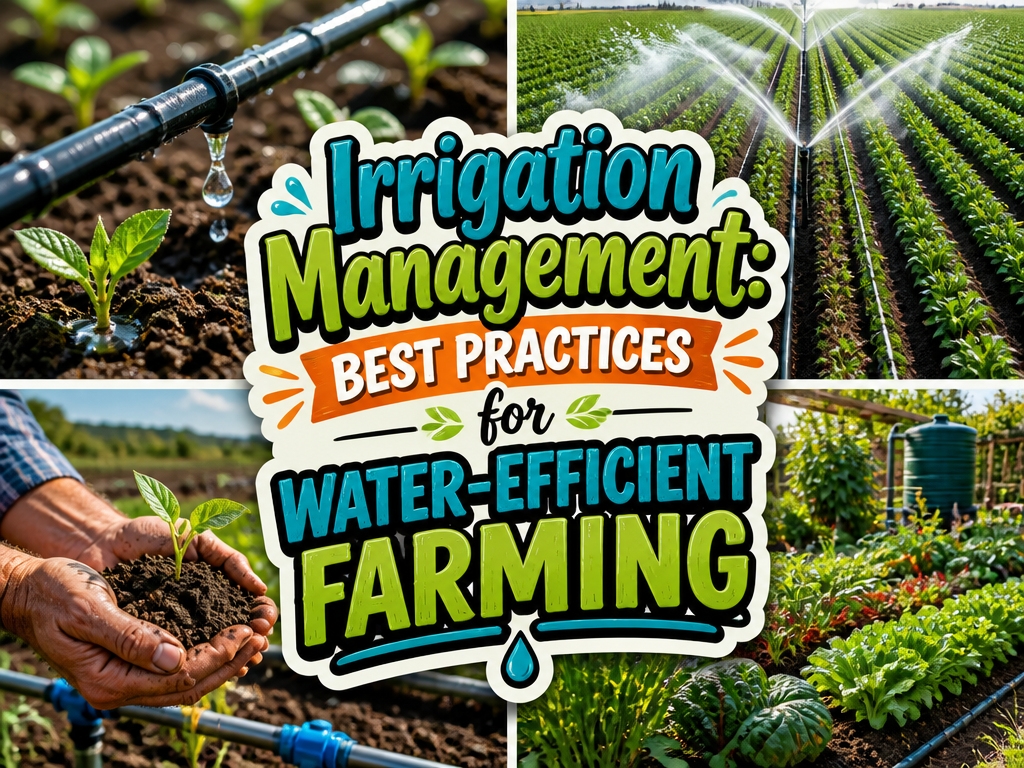
Morning light spreads across a field where the soil holds secrets about thirst. Sandy ground drinks quickly and asks for more, while clay-heavy earth keeps moisture locked away like a hidden reservoir. Knowing this difference shapes every decision a grower makes.
Have you ever watched water disappear into the ground faster than expected? That’s the puzzle drip irrigation solves by sending moisture straight to roots, drop by careful drop. No more guessing, no more flooding rows that never needed that much love in the first place.
There’s something quietly satisfying about checking sensors that whisper exactly what crops want.
But even the smartest tools fail when pipes crack or designs sag. Walking the lines, feeling for trouble, keeps the whole system honest.
Small fixes guard against big losses, and the farm keeps its promise: less water out, same abundance in.
Know Your Soil Before Choosing an Irrigation System
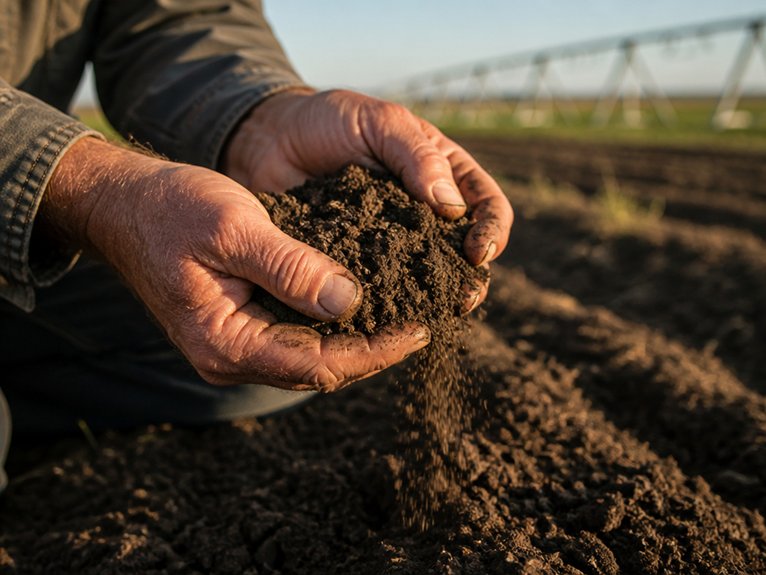
Soil composition shapes every irrigation decision you make. Each soil type holds water differently, so your watering schedule must match what you’re working with.
Sandy soils drain fast and need water more often. Clay soils hang onto moisture longer, so they need less frequent watering. Loamy soils blend sand, silt, and clay for balanced retention.
Simple tests or professional analysis can reveal your soil type. Testing shows drainage rates, water-holding capacity, and nutrients.
Clay soils typically need 1-2 inches of water weekly. Sandy soils often require 3-4 inches instead. Knowing this prevents wasted water and stressed crops.
The right match between irrigation system and soil cuts waste, reduces costs, and keeps plants healthier.
Install Drip Irrigation for Precision Water Delivery
Choosing Your Delivery Method
Once you know your soil type and water needs, you can pick how to deliver water to your plants. Drip irrigation sends water straight to roots through small tubes and emitters. This cuts waste significantly. It suits vegetable gardens, orchards, and row crops well.
The Benefits of Going Drip
Drip systems use less water than sprinklers or flood methods. Your utility bills drop as a result. Water moves slowly and steadily. Soil absorbs every drop instead of letting it run off.
What You’ll Need
The setup has three main parts. A main line carries water from your source. Smaller feeder tubes branch off to plants. Adjustable emitters sit near each root zone to control flow.
Getting It in the Ground
Lay your tubing across the beds first. Space emitters based on plant size and spacing. Connect everything to your water source last. Test pressure before you call it done.
Keeping It Running
Check emitters monthly for clogs or mineral buildup. Adjust pressure seasonally as plants grow larger. Swap out cracked tubes or worn gaskets each spring.
Set Up Soil Moisture Monitoring to Track Water Needs
Why Moisture Monitoring Matters
Knowing when to water matters as much as how much water to apply. Soil moisture monitoring provides accurate data for these decisions. Farmers get real-time insight into what their crops actually need.
Types of Sensors Available
Soil moisture sensors measure water content in the root zone at specific depths. You have several options to choose from. Tensiometers work well for tighter budgets. Capacitance sensors suit many soil types. Time-domain reflectometry devices offer high precision. Pick the method that matches your soil and budget.
Using Your Data
These tools send readings straight to smartphones or computers. You can check moisture levels anytime during the day. Place sensors at multiple spots across your fields. This reveals irrigation patterns and dry spots you might otherwise miss.
Benefits for Your Operation
Regular monitoring prevents both overwatering and underwatering. You’ll cut water waste while keeping crops healthy. Data-driven scheduling beats guesswork every time. It also outperforms fixed calendar approaches. The result? Better water efficiency and stronger yields together.
Time Your Watering Around Growth Stages and Weather Forecasts
Crops need different amounts of water as they grow. Seedlings do best with steady, gentle moisture. Flowering and fruiting stages call for more water to support development. Older plants usually need less frequent watering than young ones.
Weather forecasts help you plan ahead. Cut back on irrigation when rain is coming. This prevents overwatering and saves water. Temperature and humidity data show how fast soil will dry out.
Morning watering works best. Cooler temperatures mean less water lost to evaporation. Combine this timing with growth stage awareness and weather tracking. Your crops get water when they truly need it. You cut waste and keep yields strong while farming more sustainably.
Identify and Fix System Leaks and Design Inefficiencies
Common Sources of Water Waste
Leaking pipes and broken emitters steal water before it reaches your crops. Poorly designed layouts compound the problem. Regular inspections catch cracked tubing, clogged drip lines, and misaligned sprinkler heads early.
Spotting Problems in the Field
Check your pressure gauges often. Watch how water distributes across your fields. Look for unusual wet spots that signal underground leaks.
Design Fixes That Matter
Uneven emitter spacing wastes water. Inadequate slope planning does too. Improper valve placement creates dead zones in your system.
Simple Replacements, Big Savings
Swap out worn rubber washers and seals. Clean or replace filter screens. These small fixes stop water loss at the connection points.
Smarter Layouts for Your Land
Reconfigure your system to match your soil type. Account for terrain changes. Adjust spacing to fit your actual crop rows.
The Payoff
Fixing these issues cuts water use by ten to thirty percent. Your yields stay steady or improve. Your operating costs drop.
Calculate Your Water Savings and Return on Investment
Every irrigation upgrade creates measurable water savings. Tracking those savings shows the true financial benefit of your system improvements.
Farmers can find their water reduction by comparing usage before and after upgrades. Use meter readings or soil moisture data for accurate numbers.
A solid cost-benefit analysis covers a few key areas:
- Initial investment costs
- Annual water savings
- Energy reductions
- Labor improvements
Take drip irrigation as an example. It might run $2,000 per acre to install. But it can cut water use by 30-50 percent. That adds up to thousands in savings each year.
Return on investment usually falls between two to five years for most irrigation upgrades. To get your numbers right, document your baseline water consumption first. Then track usage after installation. Factor in your local water rates too. This gives you a clear picture of your actual financial returns.
Frequently Asked Questions
What Are the Initial Costs of Switching From Flood Irrigation to Drip Irrigation Systems?
Switching to drip irrigation requires substantial upfront investment, typically ranging from $1,200 to $2,400 per acre. Costs include equipment, installation, and system design, though long-term water and labor savings often justify initial expenses within five to seven years.
How Often Should I Replace Drip Irrigation Tubing and Emitters for Optimal Performance?
A California almond farm replacing emitters every 3-4 years reduced clogging by 60%. Tubing typically lasts 5-7 years; emitters need replacement every 3-4 years for consistent water distribution and system efficiency.
Which Crops Benefit Most From Drip Irrigation Compared to Traditional Sprinkler Systems?
Crops with high-value yields—tomatoes, peppers, cucumbers, and lettuce—benefit most from drip irrigation. These plants require consistent moisture without wetting foliage, reducing disease while maximizing water efficiency and fruit quality compared to sprinkler systems.
Can I Integrate Smart Irrigation Controllers With Existing Manual Irrigation Infrastructure?
Smart irrigation controllers can integrate with existing manual systems through adapter kits and wireless sensors. Retrofitting requires minimal modifications to current infrastructure, enabling automated scheduling while maintaining compatibility with established sprinkler and drip networks.
What Government Grants or Subsidies Are Available for Water-Efficient Farming Improvements?
Government entities offer financial encouragement programs for agricultural water conservation endeavors. Farmers access cost-sharing initiatives through USDA programs, state environmental agencies, and local water districts. Eligibility varies by location, crop type, and project scope, requiring applications demonstrating water savings.
Conclusion
Water-efficient irrigation practices form the backbone of sustainable farming, like a well-oiled machine working toward conservation. Farmers who understand soil types, install drip systems, monitor moisture levels, and maintain equipment systematically reduce water waste while improving crop yields. Calculating water savings and return on investment demonstrates the financial benefit of these practices. Implementation requires initial effort, yet delivers measurable environmental and economic returns over time.