
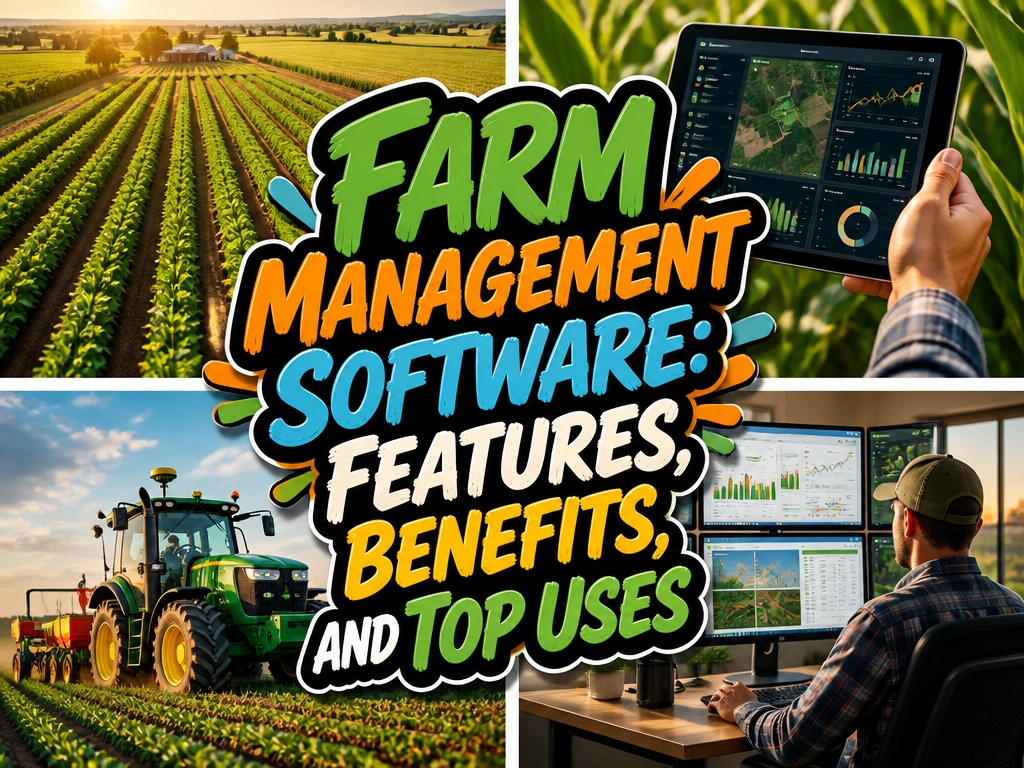
Morning light hits the dashboard of a combine harvester, and a farmer checks one screen instead of ten. Farm management software gathers field maps, inventory logs, and weather alerts into a single, living system. The technology quietly handles what used to eat up half the day.
Some tools still feel overwhelming at first glance. Yet the best platforms connect your existing equipment—GPS units, soil sensors, irrigation monitors—without forcing you to rebuild everything. Tasks that once demanded clipboards and evening paperwork now run on their own, freeing up hours for actual farming.
There’s something deeply satisfying in knowing exactly where your money flows. Financial dashboards break down costs per acre, track margins on each crop, and flag where profits quietly leak away. That clarity changes how decisions get made, season after season.
Finding the right fit matters more than chasing every feature. Consider what you already use, what your team actually needs, and where the gaps slow you down most.
The goal isn’t more technology—it’s technology that finally gets out of your way.
What Is Farm Management Software?
What Is Farm Management Software?
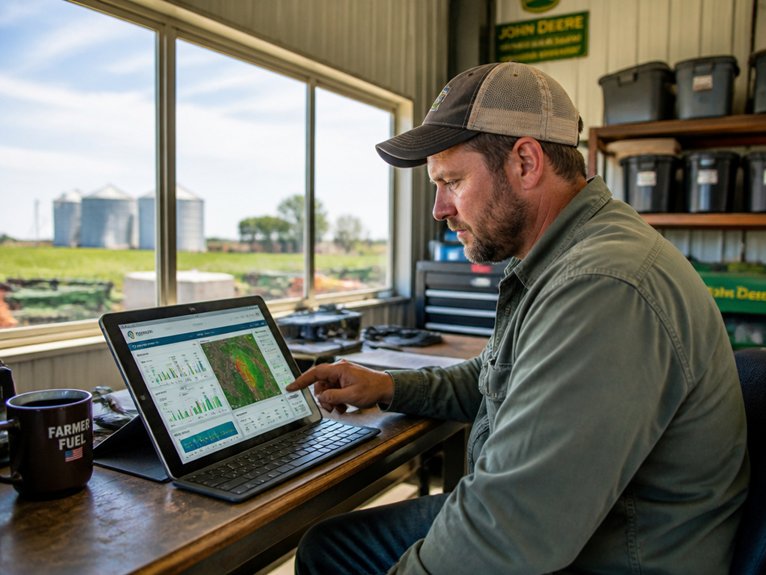
Farm management software helps farmers run their operations more smoothly. It puts crop records, livestock data, equipment logs, and finances in one place. No more searching through piles of paperwork.
These tools let you track field activities and plan planting schedules. You can record expenses and monitor inventory levels with a few clicks. Many systems include maps showing your field boundaries and soil conditions. Calendars help you stay on top of maintenance and pesticide applications.
Some platforms connect directly to GPS equipment and field sensors. This gives you real-time updates on conditions across your farm. You get instant access to the information you need to make smart choices.
The software cuts down on administrative work. It turns raw data into useful insights for better decisions. Many programs also help with regulatory compliance and reporting.
Popular options include FarmLogs, Granular, and John Deere Operations Center. Each serves different farm sizes and types. You can find one that fits your specific operation.
Must-Have Features: Inventory, Weather, and Compliance Tracking
Key Features You Actually Need
Farm management software can do a lot. But three features stand out as must-haves: inventory tracking, weather monitoring, and compliance documentation.
Inventory tracking keeps your operation organized. It records crop quantities, equipment status, and supply levels. You always know what you have on hand.
Real-time weather data helps you plan smarter. Check forecasts to time your planting and irrigation. Historical patterns also reveal trends worth noting.
Compliance tools handle the paperwork for you. They log pesticide applications, fertilizer usage, and regulatory requirements. Inspections become less stressful when records are already complete.
How These Features Work Together
These three systems connect naturally. Soil conditions and weather data inform your inventory decisions. Automated compliance reports save hours of manual work and cut down on errors.
Most major platforms include these basics. Granular, Trimble Ag, and John Deere Operations Center all offer them. Exact capabilities depend on your farm size and which product tier you choose.
Where Farms Save Time: Labor Reduction and Automation Wins
The organizational benefits of inventory, weather, and compliance tracking create a foundation for the next major payoff: time savings through labor reduction and automation.
Farm management software automates routine tasks. Workers can then focus on higher-value activities instead. Scheduling systems reduce manual planning errors. Automated alerts for irrigation, fertilization, and pest management eliminate constant monitoring.
GPS-guided equipment decreases fuel waste. It also cuts down on overlapping field passes. Reporting functions consolidate data that previously required hours of manual compilation.
Labor hours drop considerably when software handles temperature monitoring. The same applies to soil moisture tracking and equipment maintenance reminders. These automation features particularly help operations with limited staff. Existing workers can focus on decision-making rather than data collection and administrative tasks.
Boosting Yields: Crop Management Tools in Action
Software tools turn field data into real results. They gather information from soil sensors, weather stations, and satellites. Then they analyze it all to guide daily farming choices.
These systems keep watch on moisture, nutrients, and pests. They spot problems early and warn farmers before small issues grow.
Variable rate tools adjust fertilizer and pesticide amounts for each zone. This cuts waste and puts resources exactly where crops need them.
Yield predictions estimate harvests weeks ahead. Farmers use these insights to plan storage space and schedule sales.
The technology processes environmental data step by step. It helps farmers fine-tune planting density, irrigation timing, and harvest dates. The outcome is simple: better productivity and smarter resource use.
Managing Herds: Health Monitoring and Breeding Optimization
Health Tracking Made Simple
Livestock management software keeps tabs on animal health across your whole operation. It logs vaccination schedules, treatments, and illness patterns for each animal. This helps you spot problems early before they spread.
Farmers get clear records that make compliance straightforward. Traceability requirements become much easier to meet when everything is documented automatically.
Smarter Breeding Decisions
The software analyzes genetics, pedigrees, and production data to suggest the best pairings. Your herd quality improves steadily across generations.
Reports on milk production, weight gain, and reproduction rates guide your culling and breeding choices. The data does the heavy lifting so you can decide with confidence.
Real-Time Monitoring
Integration with feeders and milking equipment tracks behavior and nutrition as it happens. Automated alerts flag anything unusual, cutting down on hours of manual checks.
The Bottom Line: Cost Savings and Profitability Tracking
Better herd management pays off. Health tracking and breeding optimization lead directly to stronger farm finances.
Farm software keeps tabs on your money. It tracks expenses and revenues with clarity. You get clear profitability data by operation, animal, or season.
Spot what works and what does not. See which activities earn profit and which ones waste resources. The system tallies feed costs, vet bills, labor, and equipment upkeep. It weighs them against your milk, meat, or crop sales.
Real-time reports show trends as they happen. Use these insights to decide on herd size, breeding plans, and where to put your resources.
Smart tracking stops wasteful spending. Profitability analysis shapes your future plans. When you pair financial metrics with daily operations, you improve returns and build a more sustainable business.
Preventive Maintenance: Equipment Planning Simplified
Equipment breakdowns stop production. They drain budgets. They create stress on farm operations.
Farm management software helps through automated maintenance scheduling. It tracks service intervals for tractors, combines, and irrigation systems. Alerts arrive before maintenance is due. This prevents costly emergency repairs.
Users enter equipment details like purchase dates, operating hours, and service histories. The system creates reminders based on manufacturer recommendations and actual usage. Farmers can then schedule downtime during slower seasons. Production disruptions stay minimal.
Digital records bring maintenance logs, repair costs, and parts inventory together. This documentation supports warranty claims and resale valuations. Systematic maintenance beats reactive repairs. Equipment lasts longer. Unexpected failures drop. Maintenance budgets stretch further across the year.
System Integration: Making Farm Management Software Work With Your Existing Tools
Farm management software works best when it connects with tools you already use. Integration lets data flow between systems on its own. You spend less time on duplicate entries and manual transfers.
Common connections include accounting software like QuickBooks. GPS equipment, weather apps, and inventory platforms also link up well.
API connections sync information across programs in real time. Field sensors can send crop yield data straight to your records. Financial data updates your accounting software automatically. This keeps everyone on the same page. Your decisions become more accurate too.
Check compatibility before choosing new software. Look at your current equipment and apps. Good integration cuts down on daily friction. It saves hours and prevents costly data entry mistakes.
Selecting Farm Management Software: Platform Comparison Criteria
Start with Your Needs****
How do you pick the right farm management platform? Begin by knowing what matters most to your operation. Every farm is different. Your priorities will shape the rest of your search.
Ease of Use
A clean interface saves hours of frustration. Test how FarmLogs, AgWorld, and Granular feel to navigate. Can you find key features quickly? Ask your team to try them too. Their input matters.
Cost Structure
Look beyond the monthly price. Factor in setup fees and support charges. Some platforms surprise you later with add-on costs. Get the full picture upfront.
Scalability
Your software should grow with you. A tool that works for 500 acres might choke at 5,000. Check how pricing and features expand. Plan for where you want to be in five years.
Mobile Access
You spend your days in the field, not at a desk. Strong mobile apps let you log data on the spot. Spotty offline functionality is a dealbreaker for remote locations.
Data Security
Your farm data is valuable. Financial records and yield histories need protection. Ask about encryption, backups, and who can access your information.
Integration
New software should play nice with what you already own. Tractors, sensors, and accounting systems need to connect smoothly. Disconnected tools create extra work.
Reporting
Good reports turn raw data into decisions. Look for clear visuals on crop plans, yields, and resource use. Can you customize what you see?
Support and Training
Even great tools fail without proper help. Check response times and training options. Strong onboarding gets your team productive faster.
Trial Before You Buy
Most platforms offer demo periods. Use them fully. Load real data and test daily tasks. A hands-on trial reveals problems that sales calls hide.
Frequently Asked Questions
How Long Does It Typically Take to Implement Farm Management Software Across Operations?
Implementation timelines for farm management software typically range from two to six months, depending on operation size, system complexity, and integration requirements. Smaller farms may complete deployment in weeks, while larger operations require extended training and customization periods.
What Training and Support Do Vendors Provide for Staff Learning the Platform?
Vendors typically extend thorough onboarding arrangements, including initial orientation sessions, hands-on workshops, and continuous technical assistance. Documentation, video tutorials, and dedicated support channels facilitate staff proficiency development with the platform.
Can Farm Management Software Work on Mobile Devices or Offline Environments?
Most modern farm management platforms offer mobile applications for iOS and Android devices, enabling farmers to access data remotely. Many solutions provide offline functionality, allowing users to work without internet connectivity and synchronize information when reconnected.
How Secure Is Farm Data Stored in Cloud-Based Management Software Systems?
While concerns about data breaches exist, modern cloud-based farm management systems employ enterprise-grade encryption, multi-factor authentication, and compliance with agricultural data standards, ensuring farmer information remains secure and protected from unauthorized access.
What Are Typical Subscription Costs for Different Farm Sizes and Software Tiers?
Subscription costs typically range from $50-200 monthly for small operations, $200-500 for mid-sized farms, and $500-2,000+ for enterprise systems. Pricing varies by features, user accounts, and data storage capacity offered.
Conclusion
Farm management software serves as the backbone of modern agricultural operations, integrating inventory tracking, weather data, and financial management into one system. By automating routine tasks, it frees farmers to focus on strategic decisions, reducing labor costs and improving profitability. Selecting software that aligns with existing tools and farm size guarantees maximum efficiency and return on investment for sustainable operations.