
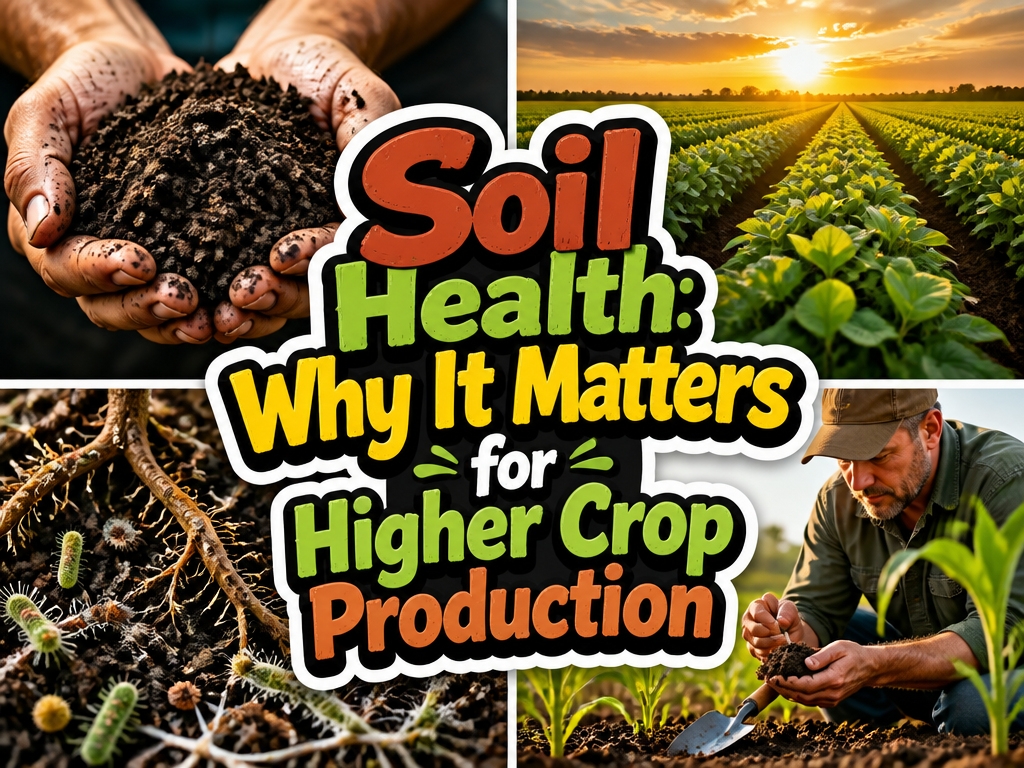
A farmer kneels beside a freshly turned furrow, crumbling dark earth between weathered fingers. That simple gesture reveals more than any soil test alone. The color, the smell, the way it holds together or falls apart. These quiet observations tell the real story of what lies beneath our feet.
It’s easy to forget that dirt is alive. Billions of tiny organisms work endlessly, breaking down residue, cycling nutrients, and building the porous structure roots need to thrive. When this hidden community flourishes, crops withstand dry spells and bounce back from stress. When it suffers, everything above ground struggles too.
What keeps you from getting the yields you expect? Often the answer sits right there in the field, hiding in plain sight. Compacted layers block root expansion. Imbalanced fertility locks up essential elements. Water runs off instead of soaking in. Recognizing these patterns takes patience, but the payoff comes in lower bills and fuller grain bins.
Taking care of soil health isn’t about chasing perfection. Small shifts add up quickly: planting cover crops, easing up on tillage, feeding biology rather than forcing growth with chemicals alone.
The land responds. It always has, for those willing to listen and learn.
Soil Health: The Invisible Engine Powering Crop Yields
The Foundation Beneath Your Crops
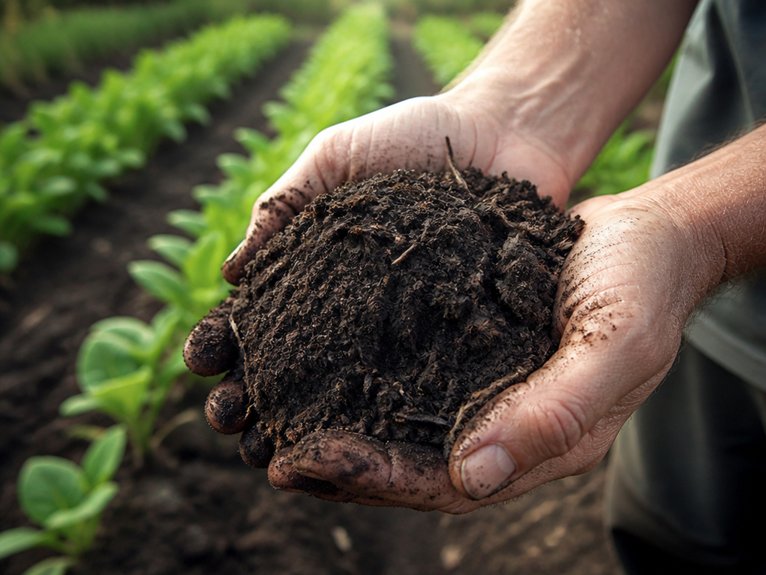
The ground under every field decides if your harvest thrives or falls short. Soil health drives your crop success. It shapes nutrient access, water storage, and root growth.
What Healthy Soil Contains
Healthy soil holds organic matter, helpful microbes, and solid structure. These pieces team up to grow strong corn, wheat, and soybeans. Degraded soil misses these basics. It gives poor yields even with good rainfall or irrigation.
Making Smarter Decisions
Farmers who check soil texture, pH, and microbe levels choose better practices. Poor soil health raises your costs and cuts profits. It also harms the environment.
Thinking of Soil Differently
See soil as a living system, not just dirt. This shift helps you build practices that keep your land productive for years to come.
Four Soil Tests Every Farmer Should Run First
Four essential soil tests help farmers make informed decisions. Each one reveals something different about your land.
Test Your Soil pH****
Soil pH shows if your ground is acidic or alkaline. This matters because pH affects how well plants can access nutrients. Most crops prefer a balanced range around 6.0 to 7.0.
Check Organic Matter****
Organic matter tells you how much carbon sits in your soil. It also predicts water retention and nutrient holding capacity. Higher levels usually mean healthier, more resilient soil.
Measure Key Nutrients****
This test focuses on nitrogen, phosphorus, and potassium. These three elements drive plant growth most directly. Results guide how much fertilizer you actually need.
Analyze Soil Texture****
Texture breaks down your soil into sand, silt, and clay percentages. This ratio controls drainage speed and compaction risk. Sandy soils drain fast. Clay soils hold water but may need help with aeration.
Putting Results to Work
Together, these four tests give you baseline data for your fields. You can adjust lime, fertilizer, or drainage based on facts rather than guesses. Testing regularly lets you track changes over time and fine-tune your approach season by season.
How Soil Structure Affects Water and Nutrient Access
Soil structure acts like nature’s plumbing system. Tiny particles clump together to form pores, the small spaces that hold water and air. These pores let roots grow deep and reach stored nutrients like nitrogen and phosphorus.
Poor structure causes problems. Compacted soil blocks root growth and leaves water pooling on the surface. Clay soils pack together easily and drain slowly. Sandy soils lose water and nutrients too quickly. Loamy soils offer the best balance. They contain mixtures of sand, silt, and clay that maintain open, healthy structure.
Adding organic matter helps any soil type. Compost and crop residue improve structure, boost water retention, and make nutrients more available to crops.
Why Soil Biology Is Your Cheapest Input
The Hidden Workforce Beneath Your Feet
Soil microbes work for free. Bacteria and fungi break down organic matter and feed plants naturally. Mycorrhizal fungi extend root networks. This improves nutrient uptake without extra cost.
Earthworms aerate soil and create water pathways. These creatures need only three things: organic matter, moisture, and balanced pH.
Smarter Spending, Better Results
Building soil biology costs far less than buying synthetic fertilizers again and again. Cover crops and reduced tillage protect microbial populations. Compost feeds soil life while improving structure.
Farmers who invest in biological activity cut input expenses. Yields stay steady or improve over time.
Crop Rotation: Breaking the Pest and Depletion Cycle
Most fields benefit from alternating crop types. Rotating from season to season disrupts pest life cycles. Insects and diseases develop resistance to specific plants over time. Plant corn one year, then soybeans the next. Corn pests find no host plant available.
Different crops use different soil nutrients. Legumes like alfalfa and clover add nitrogen naturally. Corn depletes nitrogen rapidly. Alternating these crops maintains nutrient balance. You can reduce fertilizer applications.
A typical rotation spans three years. Corn, soybeans, and wheat work well together. This system cuts chemical inputs. Production costs drop. Soil productivity improves over time.
Effective rotation needs planning. Keep records of field history. Track pest patterns. Your future decisions become clearer.
Cover Crops and Reduced Tillage: Start Here
Crop rotation helps with pest cycles and nutrient depletion. Two more practices can boost its impact even further.
Cover crops like clover, alfalfa, and rye grow during off-seasons. They prevent erosion and add organic matter to the soil. These plants also capture nutrients that might otherwise leach away.
Reduced tillage keeps soil disturbance to a minimum. This preserves beneficial microorganisms and fungal networks that plants need to thrive.
Farmers who use both methods often see lower input costs. Their fields retain water more effectively too.
Cover crops naturally suppress weeds. This means less herbicide is needed over time.
Together, these practices build healthier and more resilient soil. The result is more consistent yields with fewer chemical amendments.
Why Healthy Soil Withstands Drought and Weather Extremes
Healthy soil holds up better when weather turns extreme. Soil rich in organic matter absorbs and keeps far more water than compacted, worn-out soil.
Higher organic matter improves soil structure. It creates pore spaces that store moisture through dry spells. Stronger aggregates also form. These resist erosion and surface crusting during heavy rain or storms.
Microorganisms in fertile soil make compounds that glue particles together. This added stability prevents waterlogging in wet seasons. It also preserves available water when drought hits.
Depleted soil lacks these safeguards. It either washes away quickly or bakes into hardpan. Roots cannot push through. Water cannot move freely.
Farmers who plant cover crops and cut back on tillage build resilience gradually. Their crops handle temperature swings, flooding, and extended dry periods more reliably.
Organic Matter: The Long-Term Productivity Investment
Building resilient soil means thinking past this season. It means planning for years ahead.
Organic matter forms that foundation. It comes from decomposed plants and microorganisms. This is what sustains productivity over time.
—
What Organic Matter Does
This material gradually improves soil structure. It boosts water retention. It makes nutrients more available to crops.
Compost adds organic matter. So do crop residues and cover crops. As these break down, they release nutrients plants need.
—
The Benefits Show Up
Soils rich in organic content hold together better. Aggregates stay stable. Erosion drops. Compaction lessens.
Microbial life thrives in these soils. Nutrients cycle more efficiently. Natural disease suppression improves.
Farmers who build organic matter usually see yields rise. This happens within three to five years. It is a practical investment in lasting production.
Frequently Asked Questions
How Long Does It Take to See Measurable Improvements in Soil Health and Crop Yields?
Measurable soil health improvements typically emerge within one to three years of implementing proper management practices. Crop yield increases often follow within two to five years, depending on initial soil conditions and management consistency.
What Is the Estimated Cost of Implementing a Comprehensive Soil Health Management Program?
Implementation costs for extensive soil health programs typically range from $15-$50 per acre annually, depending on practices adopted. Expenses include cover crop seeds, equipment modifications, compost, and testing, varying notably by region and farm size.
Can Soil Health Practices Be Applied to All Crop Types and Growing Regions?
Like a master key fitting multiple locks, soil health practices adapt across crop types and regions, though specific techniques require customization based on local climate, soil composition, and agricultural goals for maximum effectiveness.
How Do I Transition From Conventional Farming to Soil Health-Focused Practices Without Losing Income?
Farmers can shift gradually by implementing soil health practices on portions of land while maintaining conventional methods elsewhere. Diversifying crops, reducing input costs, and accessing premium markets for sustainable products help offset income during the shift period.
What Certifications or Standards Exist for Verifying and Measuring Soil Health Improvements?
Several certification systems exist for soil health verification, including NRCS Soil Health Assessment, Regenerative Organic Certified, and Carbon Trust Standard. Farmers can measure improvements through soil organic matter testing, microbial analysis, and aggregate stability assessments.
Conclusion
Soil health directly determines crop productivity through improved nutrient availability, water retention, and disease resistance. A farmer implementing cover crops, reduced tillage, and crop rotation increased yields by 15% within three years while reducing input costs. Prioritizing soil biology, organic matter, and structure creates sustainable systems that withstand environmental stress and maintain long-term farm viability without constant chemical intervention.