
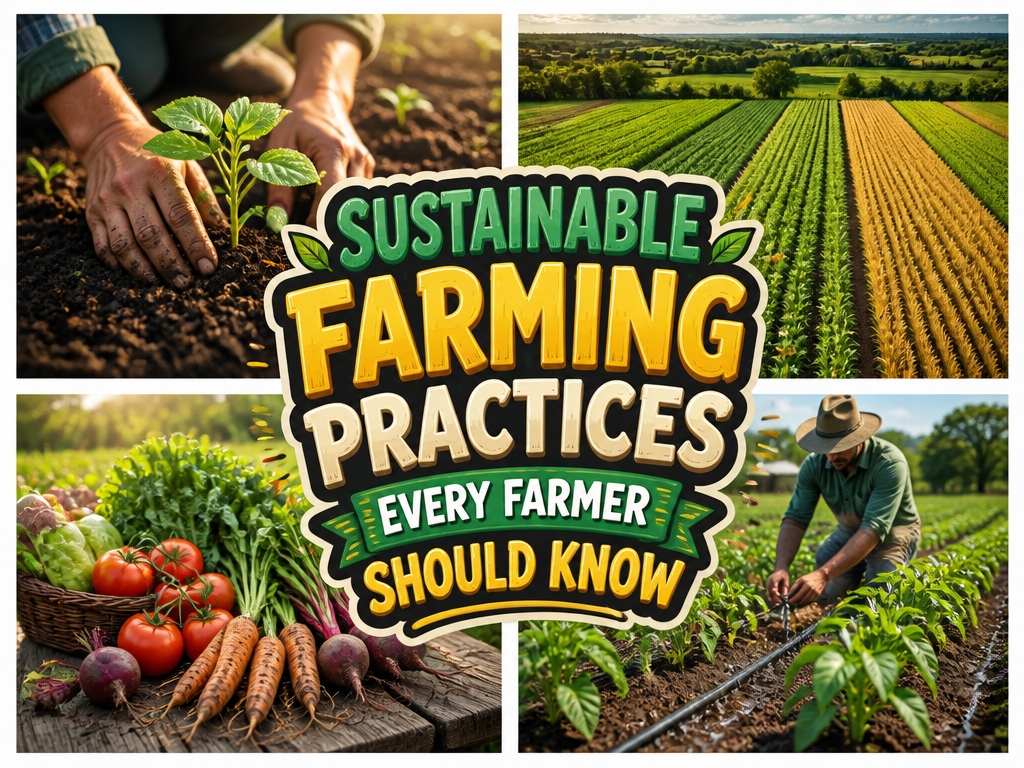
Morning light spreads across a field where last season’s soybeans once stood, now carpeted with crimson clover. The farmer walking these rows knows something simple: healthy soil doesn’t happen by accident. Crop rotation and cover cropping build that foundation, keeping nutrients where they belong and breaking pest cycles before they start.
There’s something quietly satisfying about working with nature rather than against it. Integrated pest management lets farmers spot problems early, using targeted solutions only when necessary. This measured approach cuts chemical costs and preserves the beneficial insects that do much of the heavy lifting. The result? Fields that stay productive year after year without depleting the land.
Water matters more than ever, and precision agriculture helps stretch every drop further. Soil sensors and variable-rate irrigation match supply to actual need, not guesswork. These tools once seemed futuristic; now they sit comfortably alongside generations-old wisdom about reading the land.
Every farm carries its own personality—different soils, weather patterns, and challenges. What transforms one operation might only modestly help another. The real skill lies in choosing the right combination, testing what works, and adjusting as the land responds.
Crop Rotation and Cover Cropping: Build Soil Health Naturally
Why Soil Needs a Break
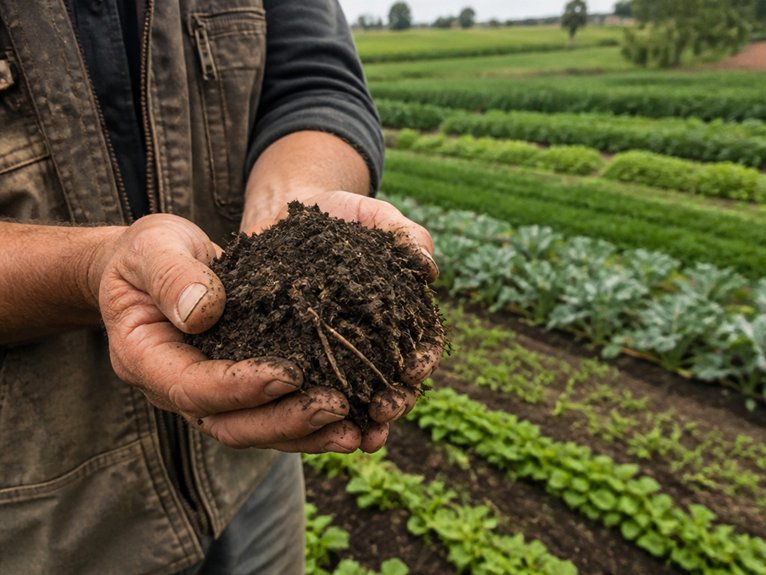
Planting the same crop year after year drains nutrients from the soil. Crop rotation offers a simple fix. Alternate corn with legumes like beans or alfalfa. These plants naturally add nitrogen back into the ground.
Cover Crops: Off-Season Protectors
Bare soil erodes easily. Cover crops like clover and rye keep it in place. Till them under later, and they become organic matter. This builds healthier soil over time.
Real Benefits for Farmers
Rotation breaks pest and disease cycles common in monoculture fields. Soil structure improves. Water holds better. Chemical fertilizer needs drop. The result? Productive land that lasts for generations.
Integrated Pest Management: Control Pests Without Chemicals
A field’s pest problem demands a strategy that goes beyond spraying chemicals. Integrated pest management, or IPM, combines multiple techniques to keep pest populations below damaging levels.
Farmers using IPM monitor fields regularly. They identify problems early before they spread.
Beneficial insects like ladybugs and parasitic wasps naturally control harmful pests. Crop rotation disrupts pest life cycles. Physical barriers such as row covers protect young plants.
Cultural practices matter too. Removing infected plant material helps. So does maintaining proper spacing for air circulation. Selecting disease-resistant crop varieties also reduces pest pressure.
Sometimes intervention becomes necessary. Farmers then apply targeted pesticides or organic alternatives like neem oil. They treat only the affected areas.
This layered approach reduces chemical use. It maintains productivity at the same time.
Precision Agriculture: Cut Waste With Better Data
The Data Revolution on Farms
Integrated pest management cuts chemical use. Precision agriculture goes further. It uses data to optimize every single farm decision.
Farmers gather information from many sources. Soil sensors track moisture and nutrients. Weather stations predict conditions. Satellite imagery shows field variations. They analyze it all to make smart choices about irrigation, fertilization, and planting.
Smarter Equipment in Action
GPS-guided tractors work with remarkable accuracy. They apply water and nutrients only where needed. Waste drops significantly.
Drones scan large fields for crop health. They catch problems early. Issues get addressed before they spread.
Variable rate technology adapts on the fly. It adjusts application rates based on soil conditions and plant density throughout each field.
Real Results for Farmers
These tools deliver clear benefits. Input costs fall. Environmental impact shrinks. Yields improve or hold steady.
Farmers using precision agriculture see real savings. Water use drops 10-20%. Fertilizer expenses fall by the same margin. Productivity stays strong.
Water Conservation: Irrigate Smarter, Not Harder
Why Efficiency Matters
Water scarcity hits farms everywhere. Efficient irrigation keeps production sustainable. Every drop counts.
Smart Delivery Systems
Drip irrigation sends water straight to plant roots. It wastes far less than traditional sprinklers. Your crops get exactly what they need.
Know Your Soil
Soil moisture sensors track water content in real time. Farmers water only when plants truly need it. No more guessing.
Keep Moisture Where It Belongs
Mulching acts like a protective blanket for soil. It holds moisture longer and cuts down watering frequency. Less work, better results.
Catch What Falls
Rainwater harvesting collects precipitation in storage tanks. That reserve becomes a lifeline during dry spells. Free water, ready when you are.
Choose Wisely
Drought-resistant crop varieties naturally need less water. Plant selection makes a huge difference in overall demand.
Time It Right
Early morning or evening irrigation keeps evaporation low. Cooler temperatures let water soak in instead of vanishing into the air.
The Payoff
These practices shrink water bills and operating costs. They also safeguard limited water supplies for years ahead. Smart irrigation keeps farms productive now while preserving resources for the next generation of growers.
Start Your Transition: A Step-by-Step Guide for Every Farm
Know Where You Stand
Take stock of your current water use. Look for leaks, waste, and outdated methods. Focus your first changes on what fits your budget and farm size.
Smart First Steps
Drip irrigation cuts water loss by targeting roots directly. Soil sensors tell you exactly when crops need hydration. Mulch keeps moisture where it belongs. Pick one or two to start. Small wins build confidence.
Do the Math
Check your equipment. Crunch numbers on potential savings. Set a realistic timeline for upgrades. Free help sits nearby—extension offices evaluate your setup at no cost. Grants and cost-share programs shrink upfront expenses too.
Test Before You Expand
Target thirsty crops or your trickiest fields first. Run a season-long trial. Compare results against your baseline records. You’ll see clear proof of progress. Scale up once the data wins you over.
Frequently Asked Questions
How Do Sustainable Farming Practices Affect Long-Term Farm Profitability and Return on Investment?
Sustainable farming practices reduce input costs through decreased chemical and fuel expenses while improving soil health and crop yields. Enhanced long-term productivity, premium market pricing, and reduced environmental liabilities strengthen farm profitability and return on investment substantially.
What Certifications or Labels Can Farmers Obtain for Sustainable Farming Practices?
Like a passport opening global markets, farmers can obtain certifications including USDA Organic, Fair Trade, Rainforest Alliance, and Global GAP labels. These credentials verify sustainable practices and enhance market access and premium pricing opportunities.
How Does Sustainable Farming Impact Soil Carbon Sequestration and Climate Change Mitigation?
Sustainable farming practices increase soil organic matter, enhancing carbon sequestration. Reduced tillage, crop rotation, and cover crops trap atmospheric carbon dioxide in soil, mitigating climate change while improving soil health and productivity.
What Government Grants or Subsidies Are Available for Sustainable Farming Transitions?
Many farmers believe grants require extensive paperwork, yet numerous programs offer straightforward funding. The USDA’s Environmental Quality Incentives Program, Conservation Stewardship Program, and state-level agricultural departments provide substantial subsidies for changing over to sustainable practices.
How Can Farmers Measure and Track Their Sustainability Progress Over Time?
Farmers track sustainability progress by monitoring soil health, water usage, biodiversity, and carbon sequestration annually. They utilize metrics like yield per resource unit, pesticide reduction rates, and certification standards to measure improvements objectively.
Conclusion
Farmers who adopt these sustainable practices—crop rotation, pest management, precision tools, and water conservation—will find their operations more efficient and resilient. Surprisingly, doing less chemical spraying and more careful monitoring actually produces better results. The shift requires initial effort and learning, yet the long-term benefits to soil, resources, and yields justify the investment. Modern farming, it appears, means returning to thoughtful, data-driven methods.