
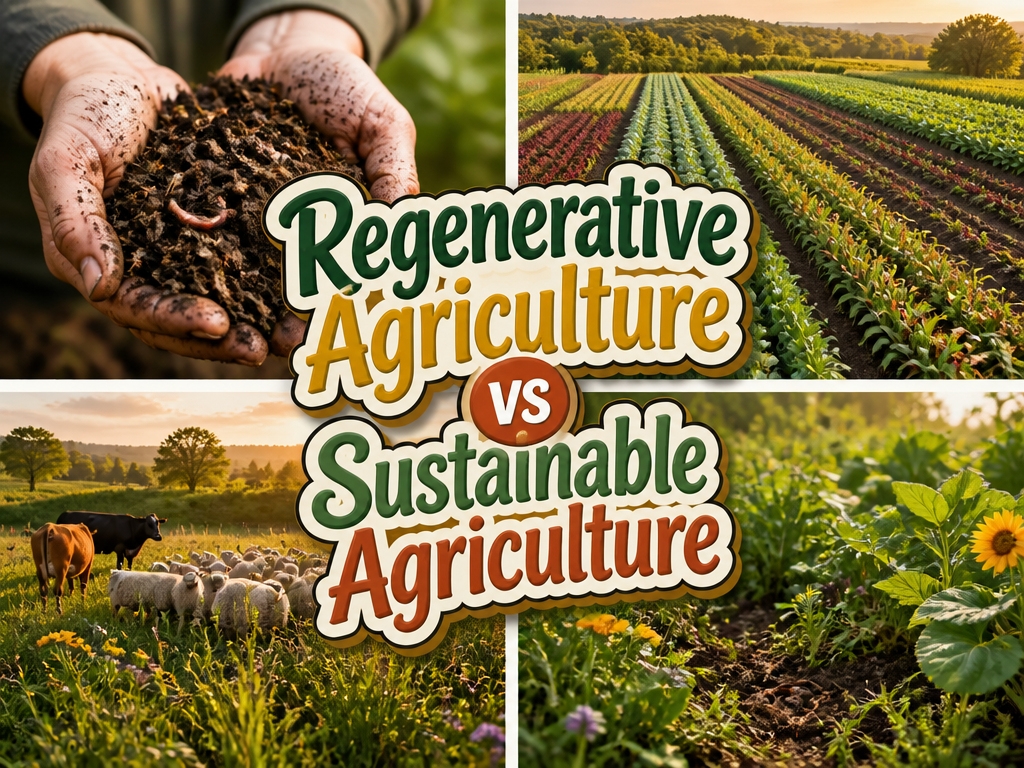
A morning walk through two neighboring fields tells the story. One farmer rotates crops diligently, cuts back on chemicals, and keeps the soil from getting worse. It’s steady, responsible work that most of us would recognize as good farming.
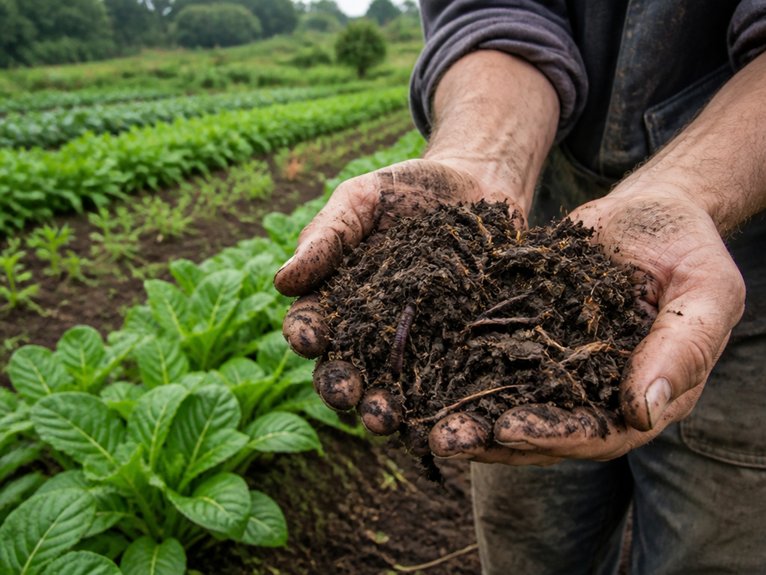
But something different is happening next door. That same soil isn’t just being protected—it’s being brought back to life with layered compost and carefully placed trees that invite birds and beneficial insects to return. The land there seems almost eager to grow.
You might wonder which approach makes sense for your own situation, and honestly, it’s worth sitting with that question. Sustainable methods often ask less of your budget upfront and fit neatly into existing routines.
Regenerative practices demand more planning and patience, yet they build something that can outlast a single season’s profit.
The real choice isn’t about which philosophy wins. It’s about what your land needs right now, what you can realistically manage, and what kind of legacy you want to leave threading through the roots beneath your feet.
Sustainable vs. Regenerative: What’s the Real Difference?
Sustainable vs. Regenerative: What’s the Real Difference?
How do these two approaches compare in their core goals and methods?
Sustainable agriculture works to keep soil health, crop yields, and environmental conditions stable for future generations. It limits harm through crop rotation, fewer chemicals, and careful water use.
Regenerative agriculture pushes beyond maintenance. It actively builds soil quality, supports biodiversity, and restores ecosystem function. Techniques include cover cropping, composting, and minimal tillage.
The core difference comes down to direction.
Sustainable farming prevents decline. It holds conditions steady over time.
Regenerative farming reverses damage. It makes land better, season after season.
Both approaches cut back on chemical pesticides and fertilizers. But priorities diverge from there.
Regenerative farming centers carbon sequestration and soil biology. Sustainable farming prioritizes resource efficiency and long-term operational viability.
How Sustainable Agriculture Protects Soil
Healthy Soil, Healthy Crops
Sustainable farming keeps soil strong for years to come. Farmers swap crops in their fields each season. This rotation stops nutrients from running low and keeps pests in check.
Resting fields get a boost from cover crops. These plants grow when the main harvest is done. They hold soil in place and feed it with natural matter.
Less Tillage, More Life
Breaking up soil too much hurts the tiny organisms living inside it. Farmers now dig less to protect this hidden world. The soil keeps its natural shape and stays full of life.
Feeding the Ground
Farmers add compost instead of pouring on chemicals. This builds fertility slowly and safely. The soil stays rich without becoming dependent on factory-made products.
Holding the Hills
Water races down slopes and carries soil away. Contour plowing and terracing act as brakes. These simple shapes slow the flow and keep the ground where it belongs.
All these steps work as a team. Structure stays sound, water stays put, and farms keep producing without wearing out the land.
Regenerative Practices That Restore Ecosystems
Sustainable farming protects soil from further damage. Regenerative practices go further. They actively heal damaged land and restore natural systems.
Farmers rebuild soil structure through cover crops, crop rotation, and reduced tillage. These methods increase microbial life underground. Composting adds organic matter back into fields. It enriches depleted earth naturally.
Agroforestry blends trees with crops. This creates diverse habitats for wildlife. Rotational grazing moves livestock across pastures in a planned way. Vegetation recovers between visits. Overgrazing becomes a thing of the past.
Wetland restoration reconnects water systems. Native species return. Pollutants get filtered out naturally.
These methods tackle ecological imbalance head-on. Degraded land transforms into functioning ecosystems. Biodiversity thrives. Carbon stays locked in the soil. Productivity improves for the long term.
Environmental Impact: The Measurable Difference
Studies show clear differences between regenerative and conventional farming. Regenerative farms build soil carbon by 0.5 to 1 ton per acre each year. Cover cropping and less tillage make this possible.
These soils also hold more water. They absorb 25% more rainfall than depleted conventional soils. This helps farms stay resilient during dry spells.
Biodiversity thrives on regenerative land. Insect and microbial populations run higher across these properties. Carbon sequestration adds another benefit, reaching 2 to 3 tons per hectare yearly.
Nutrient cycling improves through compost and crop rotation. Farms cut chemical fertilizer use by 30% to 50%. Side-by-side trials confirm these results across different regions and climates.
Why Regenerative Agriculture Costs More Upfront
Shifting to regenerative practices takes real money upfront. That upfront cost keeps many farmers tied to conventional methods, even when they know the long-term benefits.
The conversion process involves several purchases. Farmers need cover crop seeds and erosion control systems. They also need composting equipment to build soil health naturally.
Soil testing comes next. This establishes a clear picture of current conditions before any changes begin.
Labor costs jump during the transition. Workers must learn rotational grazing, reduced tillage, and other new approaches. Productivity often dips at first while everyone adjusts.
Equipment brings another round of expenses. Some tools need modifications. Others require complete replacement.
These costs can hit thousands of dollars per acre. That figure puts real pressure on smaller farms.
Financing adds another hurdle. Banks sometimes see regenerative shifts as risky bets. They may offer unfavorable terms or refuse loans entirely.
The good news? Costs drop once systems settle in. Input needs decrease, and yields typically improve. Most farmers see their investment pay back within three to five years of steady practice.
Growing Regenerative and Sustainable Farming at Scale
Building Momentum
Scaling regenerative and sustainable agriculture takes coordination. Many areas need to work together at once.
Policy support matters. So do farmer networks, market infrastructure, and financial tools.
Governments use subsidies to encourage adoption. They also back certification programs.
The Regenerative Organic Alliance sets key standards. Other organizations contribute their own frameworks.
Sharing Resources
Farmer cooperatives pool what they have. Members share knowledge, equipment, and costs.
This brings expenses down for each person involved. Individual farmers face less burden.
Retailers help drive demand from the other end. Patagonia sources regenerative products. General Mills does too.
These commitments signal real market interest. Producers gain confidence to shift their methods.
Funding New Approaches
Investment funds now target regenerative projects directly. Capital flows to farmers making transitions.
Supply chains improve as more volume moves through. Costs per unit drop over time.
Educational institutions train people in these practices. New generations enter the field prepared.
Regional hubs link producers with processors. Distributors join that same network.
Working as a System
These pieces connect and reinforce each other. The result is stronger than any single element.
Farming becomes more viable economically. It also reaches more farmers across the globe.
Both approaches grow more accessible. Larger numbers of people can adopt them.
Decoding Regenerative and Sustainable Certifications
What Certification Programs Do
Certification programs verify farming practices. They help consumers and businesses find producers who meet environmental and social standards.
Regenerative vs. Sustainable Approaches
Regenerative certifications include Regenerative Organic Certified and Land to Market. These programs evaluate soil health, biodiversity, and carbon sequestration.
Sustainable certifications include USDA Organic and Fair Trade. These focus on chemical restrictions, worker welfare, and market access.
Regenerative programs aim to improve ecosystems. Sustainable programs work to reduce harm.
What Farmers Need to Do
Farmers must document their practices. They also undergo inspections and keep detailed records.
Costs and Verification
Certification costs range from several hundred to thousands of dollars each year. Third-party verification adds credibility, though requirements vary by program and region.
Which Approach Should You Choose for Your Operation?
Which Approach Should You Choose for Your Operation?
Start with Your Situation
Every farm is different. Your operation size, budget, and long-term goals shape which certification path makes sense. There’s no single right answer for everyone.
Sustainable Certification: A Solid Starting Point
Sustainable programs focus on meeting clear environmental baselines. The costs stay moderate, and the changes feel manageable. Many farmers appreciate this route for making steady, incremental improvements without overwhelming their systems.
Regenerative Certification: Bigger Commitment, Bigger Potential
Regenerative approaches ask more of you. Cover cropping, rotational grazing, and building soil carbon take serious investment. Your management practices need to shift significantly. But the payoff comes in healthier soil, stronger carbon sequestration, and often premium market prices.
Consider a Gradual Path****
Limited resources? No shame in starting sustainable and evolving later. Some farmers build confidence and capital first, then transition to regenerative methods when ready. Others jump straight into regenerative if soil restoration and carbon storage top their priority list.
Look Around Before Deciding
Check your local market demand. Premium pricing for regenerative goods can offset higher costs. Factor in your climate, soil type, and nearby support networks. Local agricultural extension services offer free guidance tailored to your conditions and financial picture.
Frequently Asked Questions
How Long Does It Take to Transition a Conventional Farm to Regenerative Practices?
Shifting a conventional farm to regenerative practices typically requires three to five years. The timeline varies based on soil health, farm size, climate conditions, and farmer experience. Patience and gradual implementation prove essential for success.
What Specific Crops or Livestock Are Best Suited for Regenerative Agriculture Systems?
Farmers rejoice—apparently every crop thrives regeneratively if one believes the marketing. Reality suggests perennials, legumes, and diverse livestock rotations excel. Polycultures outperform monocultures. Cattle, chickens, and sheep integrate well into regenerative systems through strategic grazing.
Are There Government Grants or Subsidies Available for Regenerative Farming Adoption?
Government grants and subsidies for regenerative farming vary by region. Programs include USDA conservation incentives, state-level funding, and private foundation grants. Farmers should research local agricultural extension offices for available financial support opportunities.
How Do Regenerative and Sustainable Practices Affect Crop Yields During Transition Periods?
During change periods, crop yields typically decline initially as soil microbiomes rebuild and farming systems adjust. However, yields often stabilize and increase within three to five years as soil health improves substantially.
What Training or Education Do Farmers Need to Implement These Agricultural Methods Successfully?
Farmers often discover, quite coincidentally, that soil biology training proves foundational. They require education in crop rotation, composting, integrated pest management, and ecological monitoring. Certification programs and mentorship networks accelerate adoption of regenerative and sustainable methodologies effectively.
Conclusion
Both approaches improve farming systems, yet regenerative agriculture demonstrates superior long-term results. Studies show regenerative farms increase soil carbon by up to 25% within five years, compared to sustainable methods’ maintenance focus. Farmers choosing regenerative practices invest more initially but gain enhanced biodiversity, improved water retention, and greater resilience to climate variability. The decision depends on budget capacity, land conditions, and environmental goals.